Liczby
Nie Kłamią
7-tygodniowy pilot z pierwszą drużyną Ekstraklasy. Oto co pokazały dane z WHOOP, GPS i pomiarów fizjologicznych.
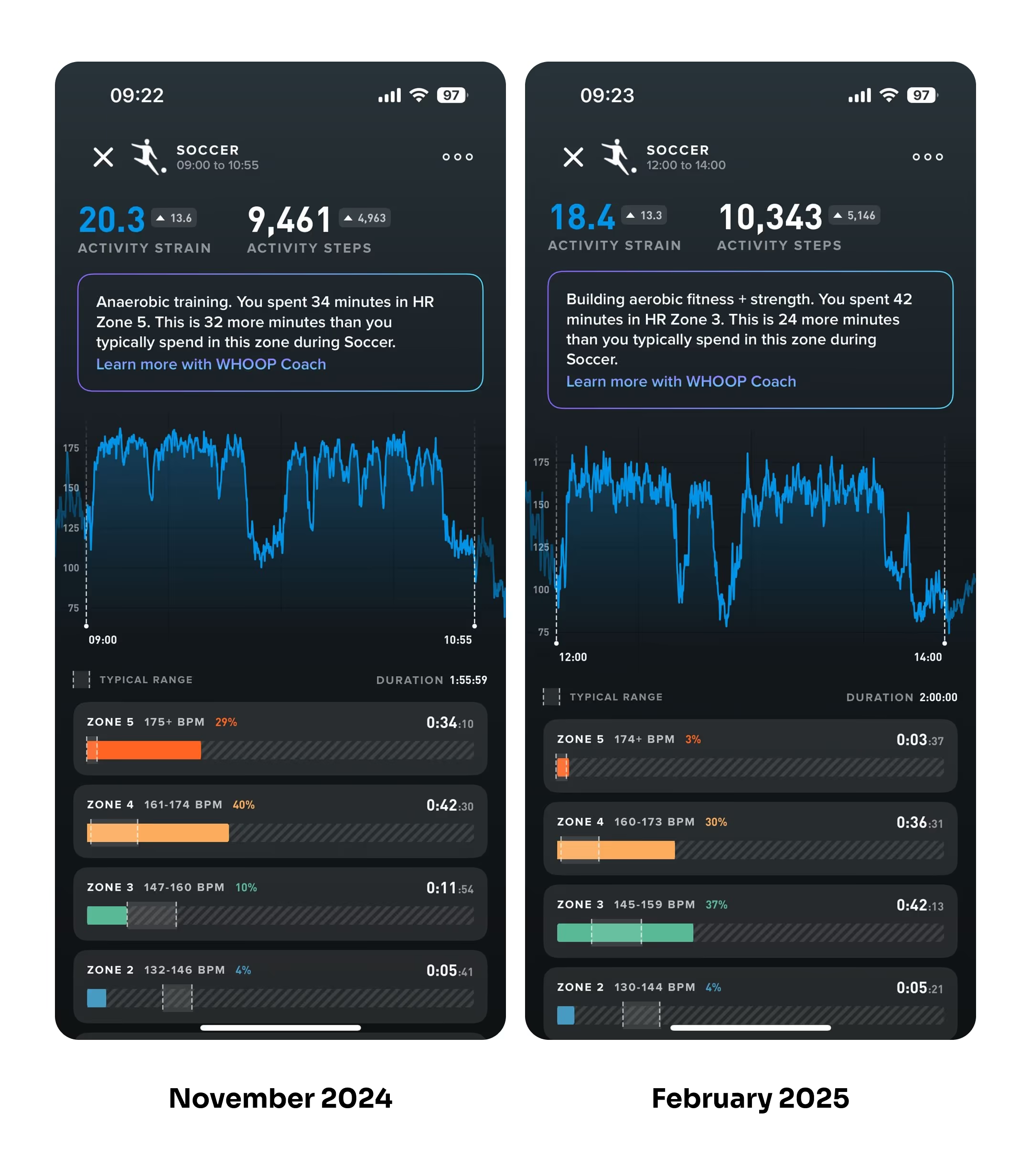
przy identycznych obciążeniach treningowych
po sprincie (dane WHOOP)
częstości oddechów w 7. tygodniu
Pilot Ekstraklasa:
7-Tygodniowy Protokół
Na początku 2025 roku AirFlow Performance przeprowadziło ustrukturyzowany 7-tygodniowy protokół oddechowy z grupą 7 zawodników pierwszej drużyny profesjonalnego klubu Ekstraklasy. Nie dodano żadnego wolumenu treningowego.
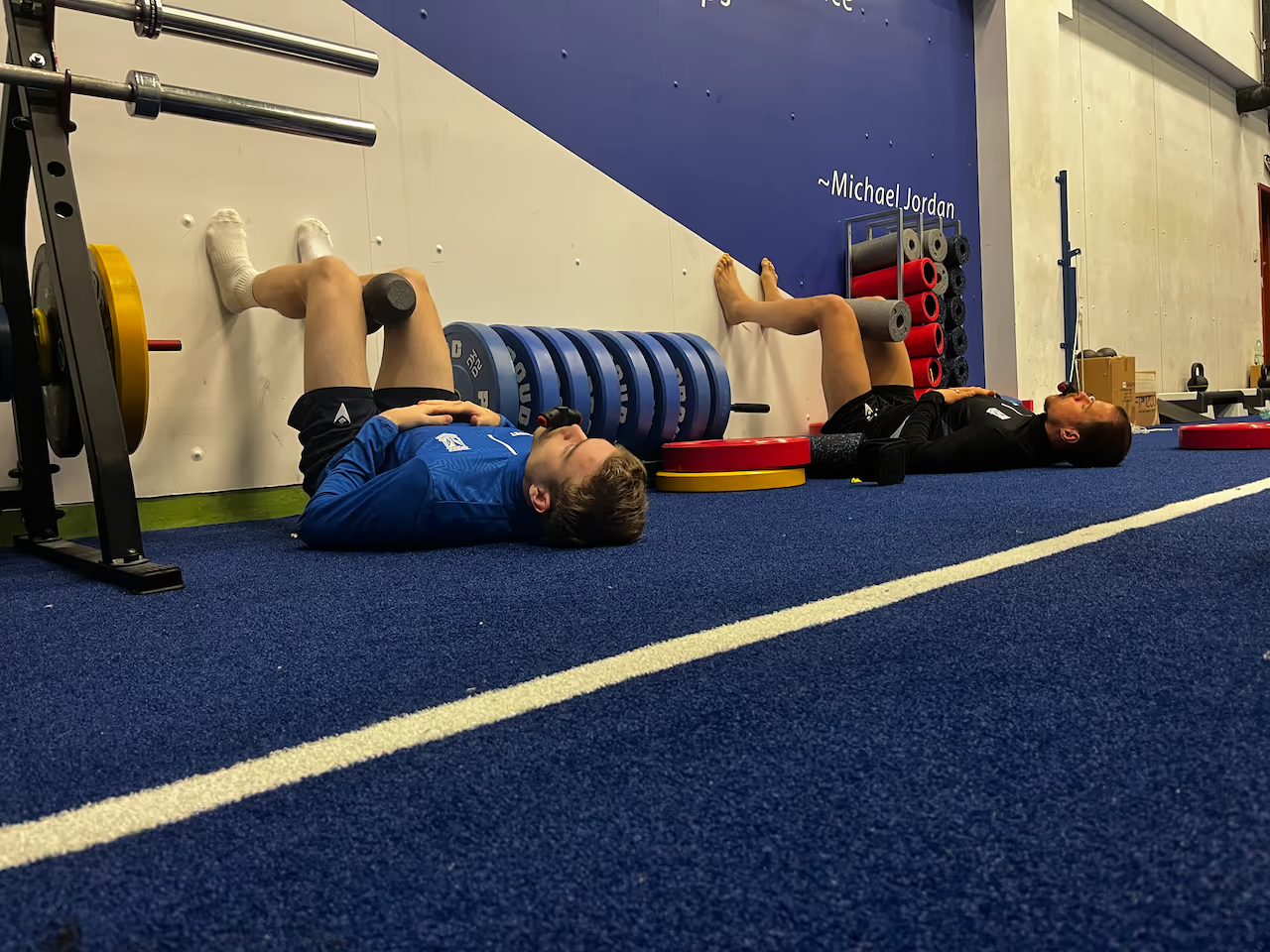
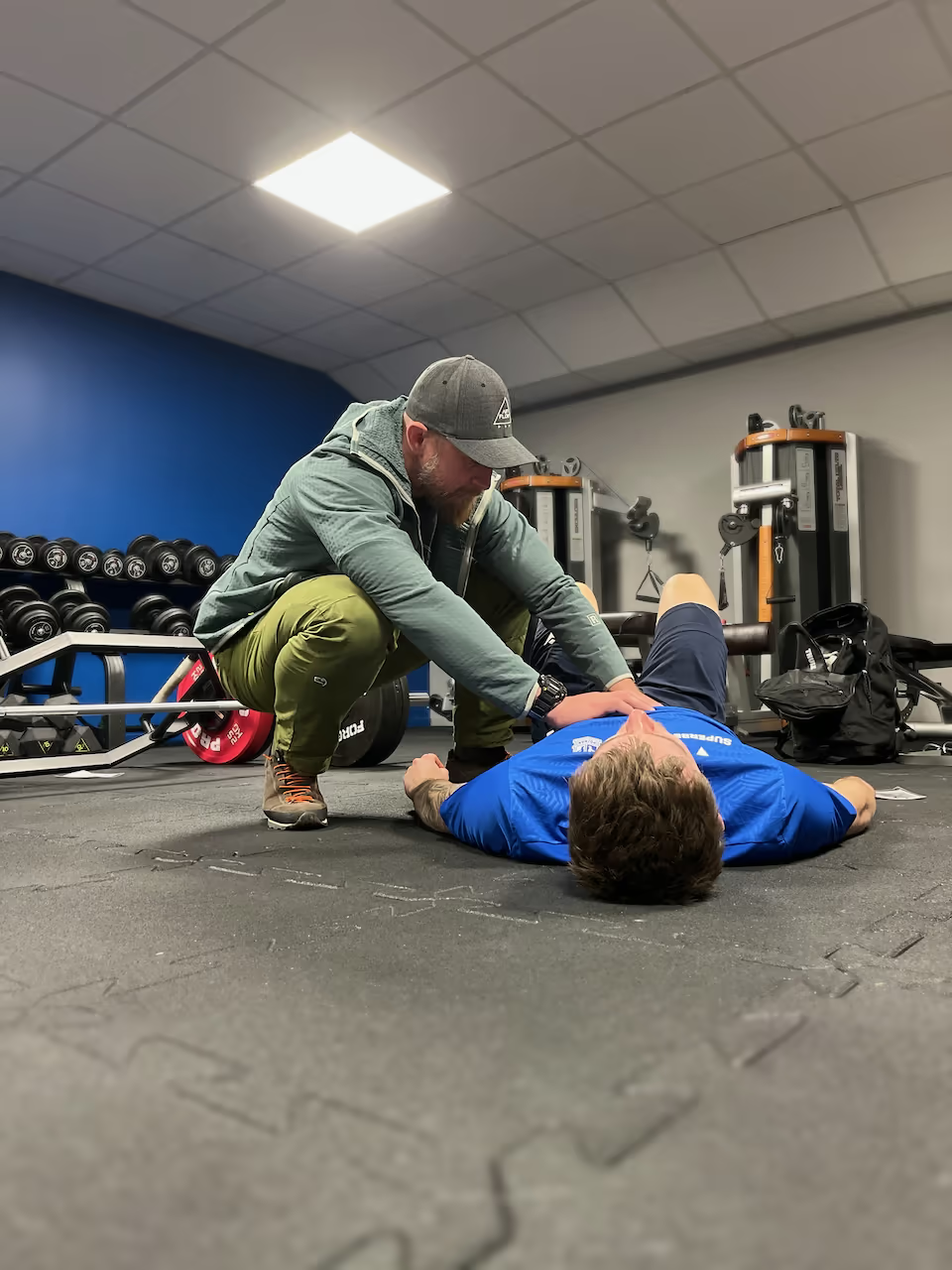
Zawodnicy wykonywali codzienne 10–15-minutowe sesje oddechowe zintegrowane z rozgrzewką i schłodzeniem. Wyniki BOLT były oceniane na początku i co tydzień. Dane WHOOP były monitorowane przez cały czas.
Średni czas gotowości po biegu z wysoką prędkością poprawił się o 27% w całej drużynie.
8 zawodników wykazało konsekwentną poprawę HRV wraz ze zmniejszeniem spoczynkowej częstości oddechów w nocy.
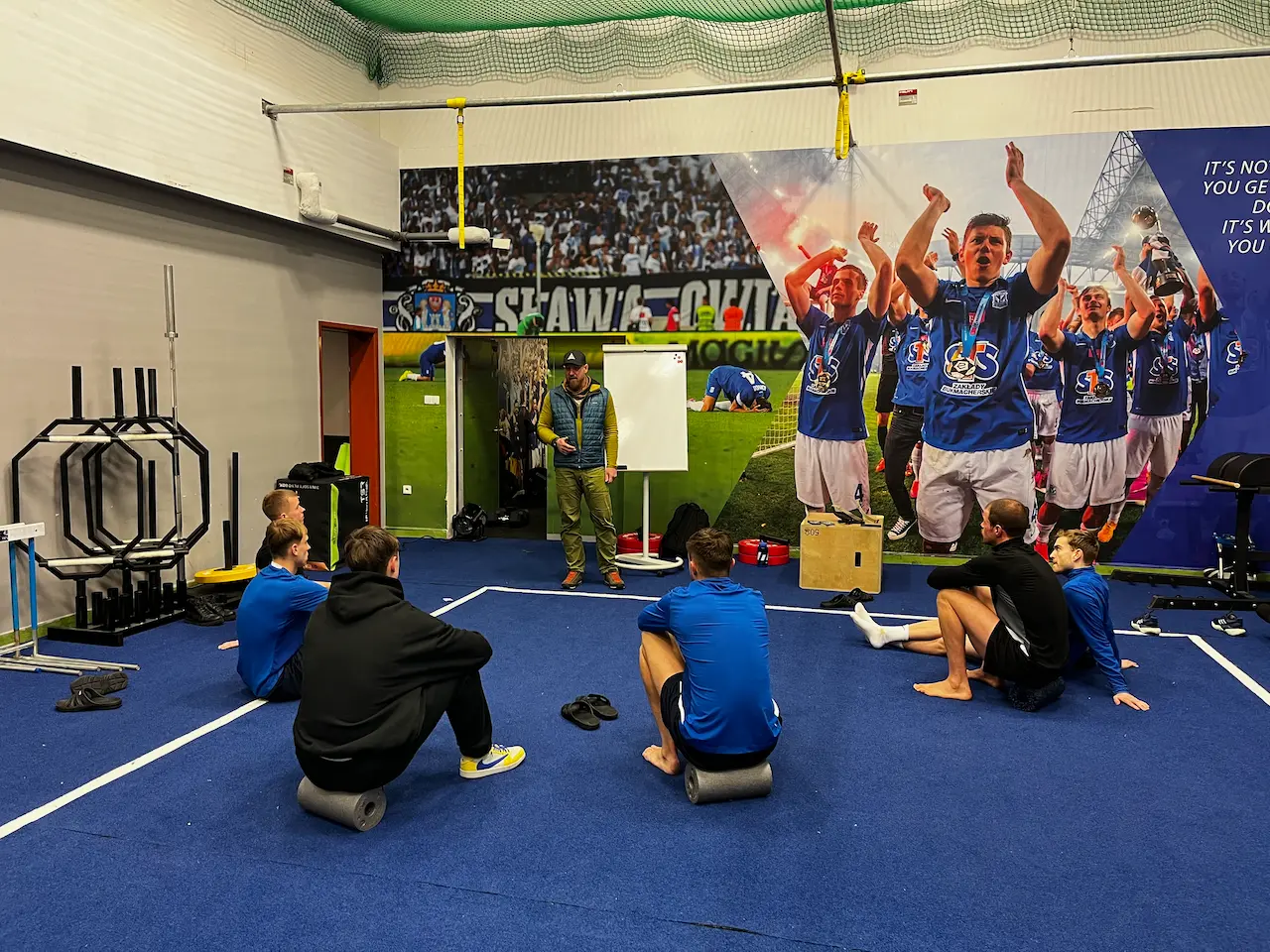
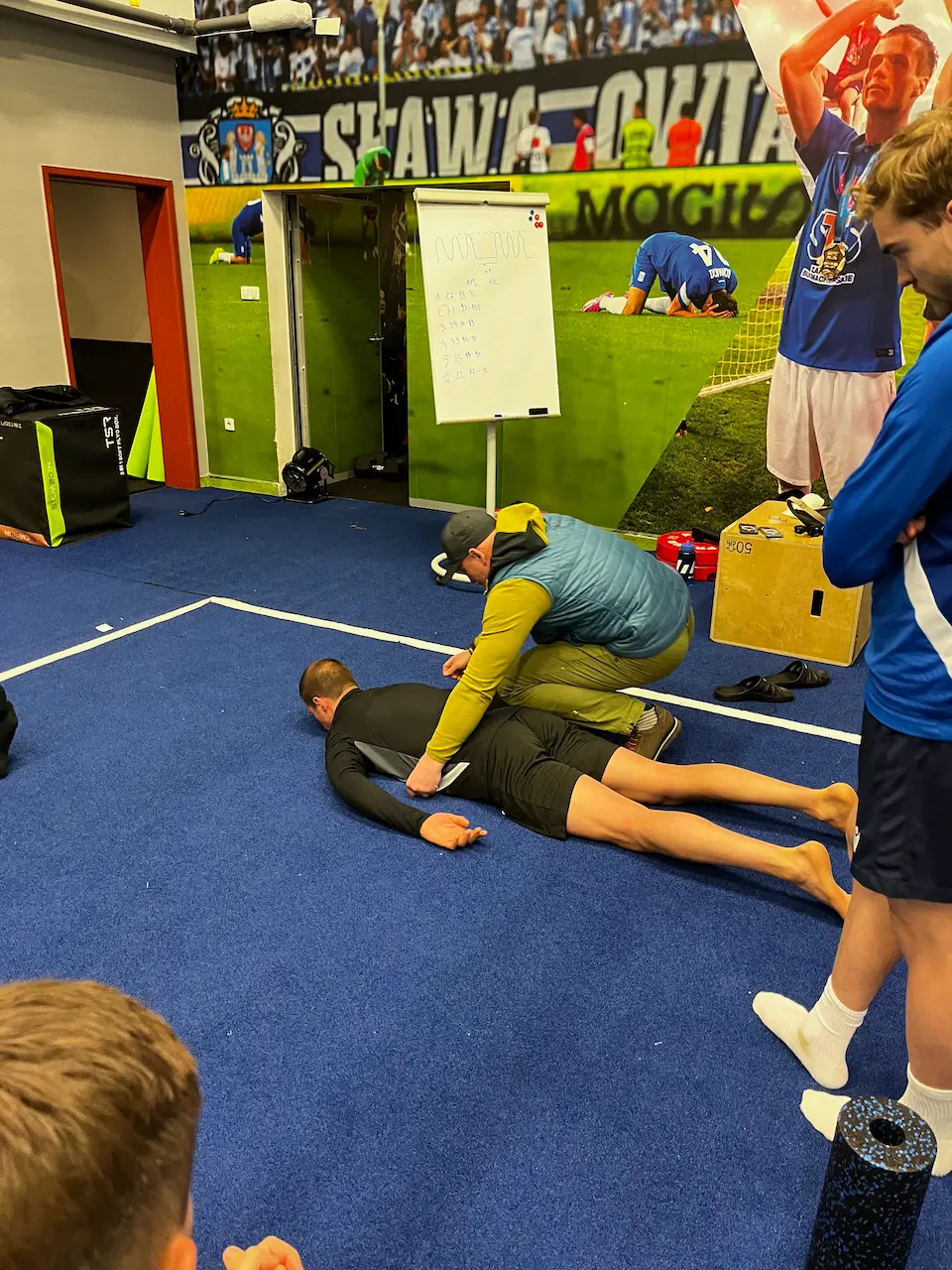
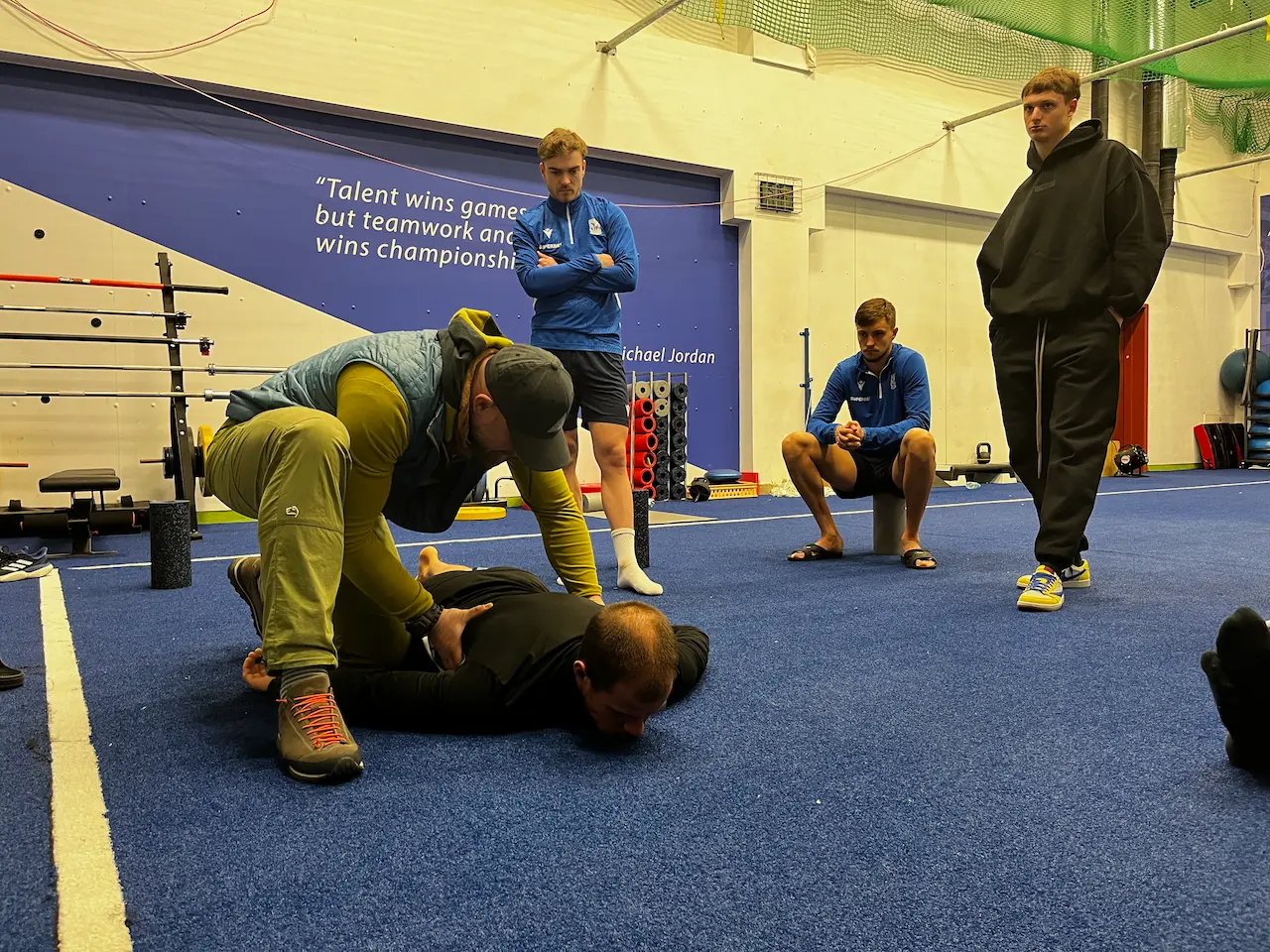
Jak Przebiegał Pilotaż
Zapis wyników BOLT. Wprowadzenie oddychania przeponowego. 10-minutowe codzienne sesje w ramach rozgrzewki. Zawodnicy zgłosili świadomość wzorców oddechowych w ciągu 48 godzin.
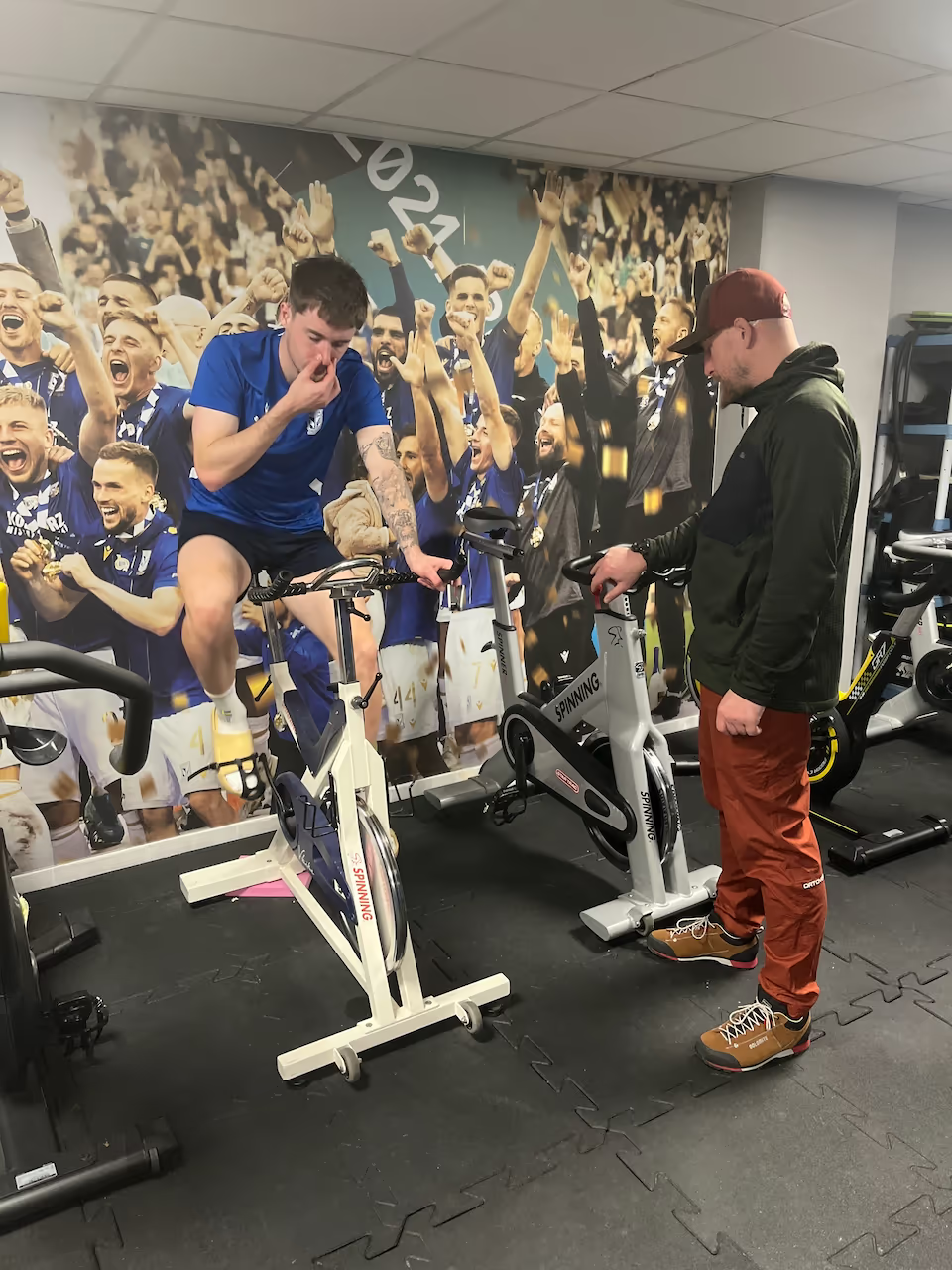
Wprowadzenie progresji wstrzymywania oddechu. Wdrożenie urządzeń AirFlow Classic w sesjach regeneracyjnych. Pierwsi zawodnicy zgłaszają poprawę spokoju podczas interwałów wysokiej intensywności.
Wszyscy zawodnicy wykazują mierzalne zmniejszenie obciążenia fizjologicznego przy identycznych wartościach GPS. Trenerzy przygotowania fizycznego zauważają krótsze czasy powrotu do gotowości w testach powtarzanych sprintów.
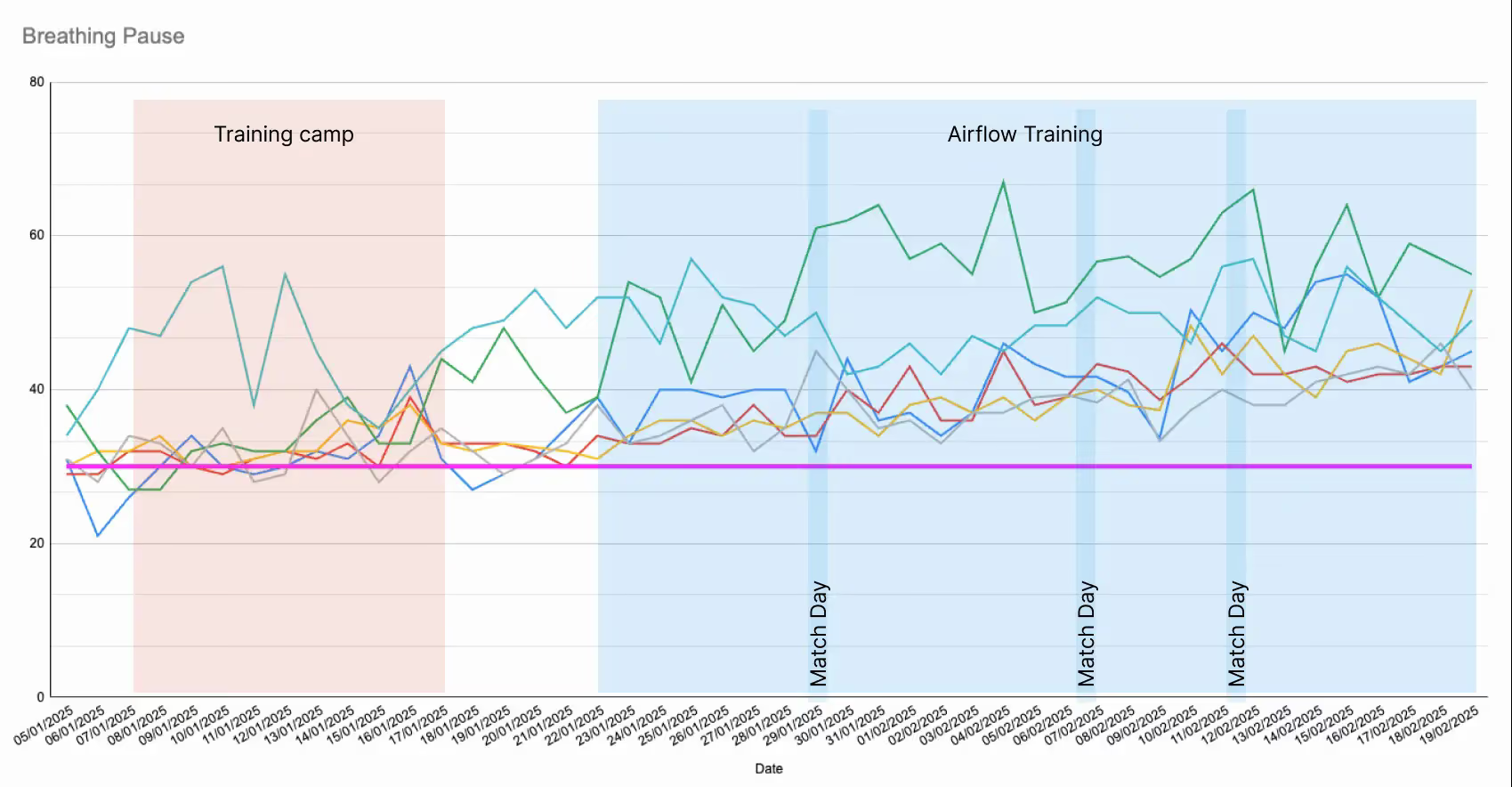
Średnie wyniki BOLT wyniosły 45 sekund (wzrost z 24). Czas w strefie czerwonej zredukowany o 90%. Zmniejszyła się wariancja BOLT w drużynie — bardziej spójna odpowiedź fizjologiczna w całej grupie.
Głosy z Drużyny
"Zdecydowanie mogę wstrzymywać oddech dłużej, i myślę, że mogę oddychać spokojniej podczas treningu i meczów. Poza tym po codziennym treningu zauważam, że lepiej oddycham przez nos."
"Ćwiczenia bardzo mi pomogły, szczególnie jeśli chodzi o sen — zauważyłem, że gdy wykonuję je przed snem, śpię lepiej."
"Kiedy jestem zmęczony, przestałem opierać ręce na kolanach. Uspokajam oddech, starając się jak najdłużej oddychać przez nos, zamiast przez usta."
"Czuję poprawę w mięśniach pleców. Są bardziej rozluźnione."