— The Program

A 3-Stage System
for Elite Breathing

Six months. Three progressive stages. A permanent physiological upgrade — without adding a single minute to your training week.

01
Isolation
≈ 2 months · Foundation
02
Integration
≈ 2 months · Motion Sync
03
Improvisation
≈ 2 months · Match Ready
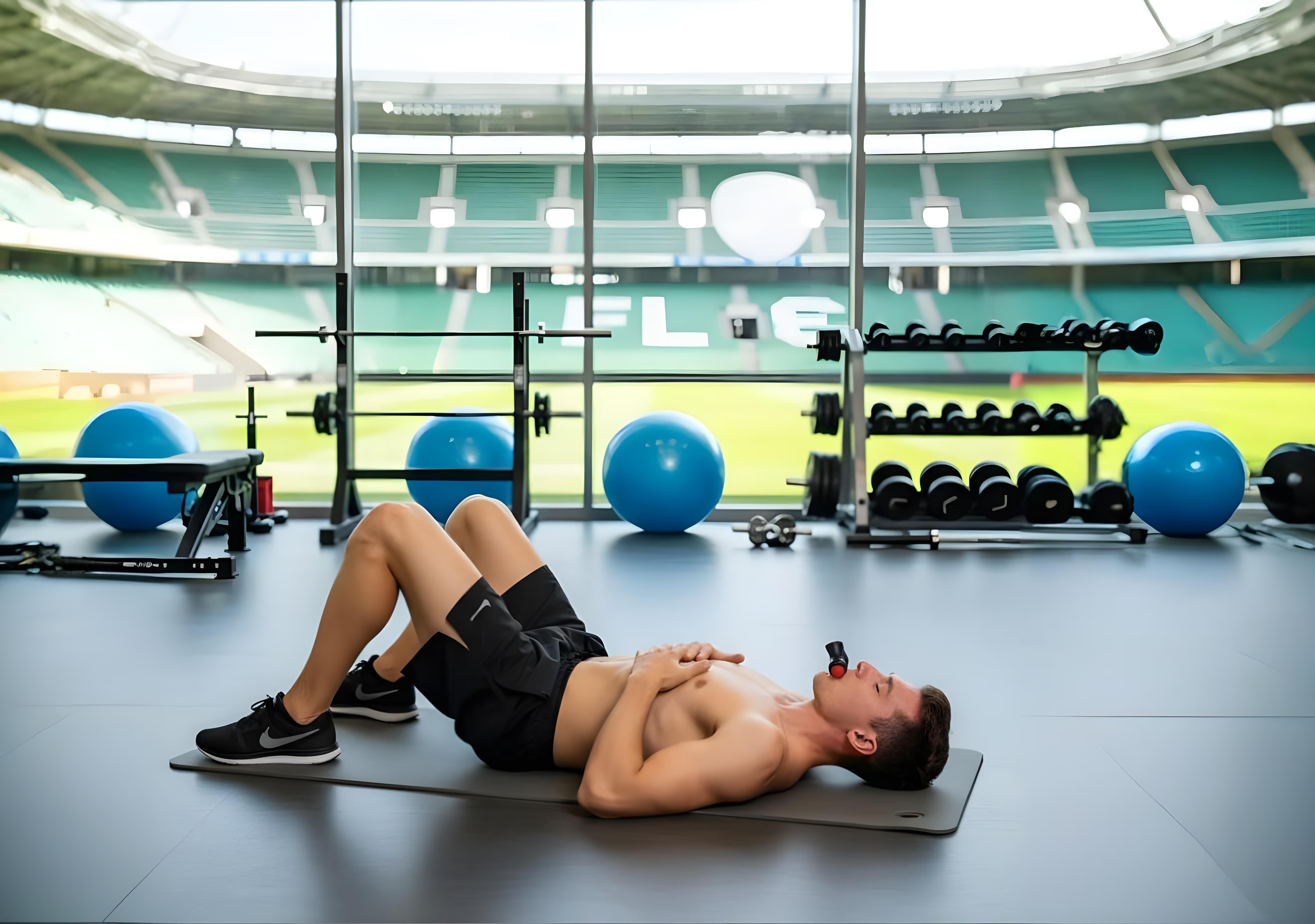
Stage 1 — Isolation: athlete practising calm nasal breathing in gym
Stage 01

Isolation

≈ 2 Months · Foundation

Everything starts here. Before we can train breathing under pressure, we must establish correct mechanics in a controlled environment. Stage 1 breaks long-standing dysfunctional patterns and rebuilds the respiratory system from scratch.

Athletes learn to breathe exclusively through the nose at rest and low intensity — activating the diaphragm for full 360° expansion, reducing tidal volume, and beginning CO₂ tolerance work.

Stage 1 Outcome

Measurable reduction in resting breathing rate. BOLT score baseline established. Nasal breathing at recovery pace confirmed.

Stage 2 — Integration: athlete performing movement drills with breathing resistance trainer
Stage 02

Integration

≈ 2 Months · Motion Sync

Stage 2 introduces the AirFlow Classic resistance trainer and begins synchronising breathing with dynamic movement. Athletes maintain nasal-dominant breathing through technical drills, jogs, and progressively demanding sessions.

CO₂ tolerance work escalates. The respiratory muscles are stressed under real training load. This is where physiological adaptation accelerates — and where WHOOP and GPS data begin to show measurable change.

Stage 2 Outcome

Nasal breathing maintained during sub-threshold training. BOLT score improvement of 5–12 seconds typical. HRV trends upward.

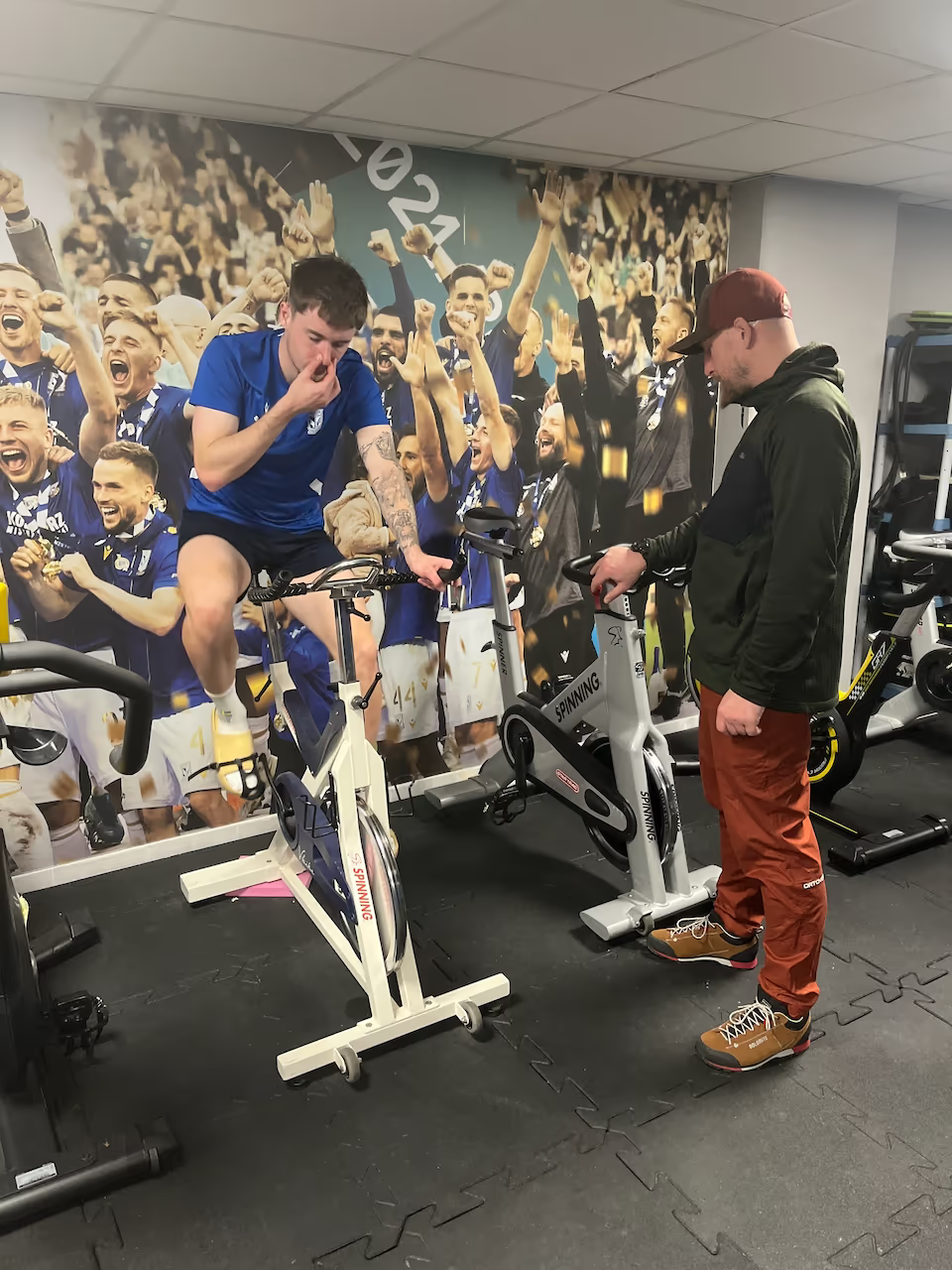
Stage 3 — Improvisation: athlete on exercise bike with coach during high-intensity breathing drill
Stage 03

Improvisation

≈ 2 Months · Match Ready

The final stage is where it all comes together. Athletes apply everything learned in Stages 1 and 2 under competitive pressure. Breathing strategies are embedded into warm-ups, high-intensity blocks, and post-sprint recovery protocols.

They learn to manage respiratory panic, regulate arousal states, and recover autonomously — not just in training, but in the 90th minute of a crucial match.

Stage 3 Outcome

Autonomous breathing regulation under match pressure. Sustained sprint capacity improvement. Coaching staff reports reduced red-zone time.

— Equipment

The Tools We Use

Purpose-built breathing trainers designed for elite sport environments.

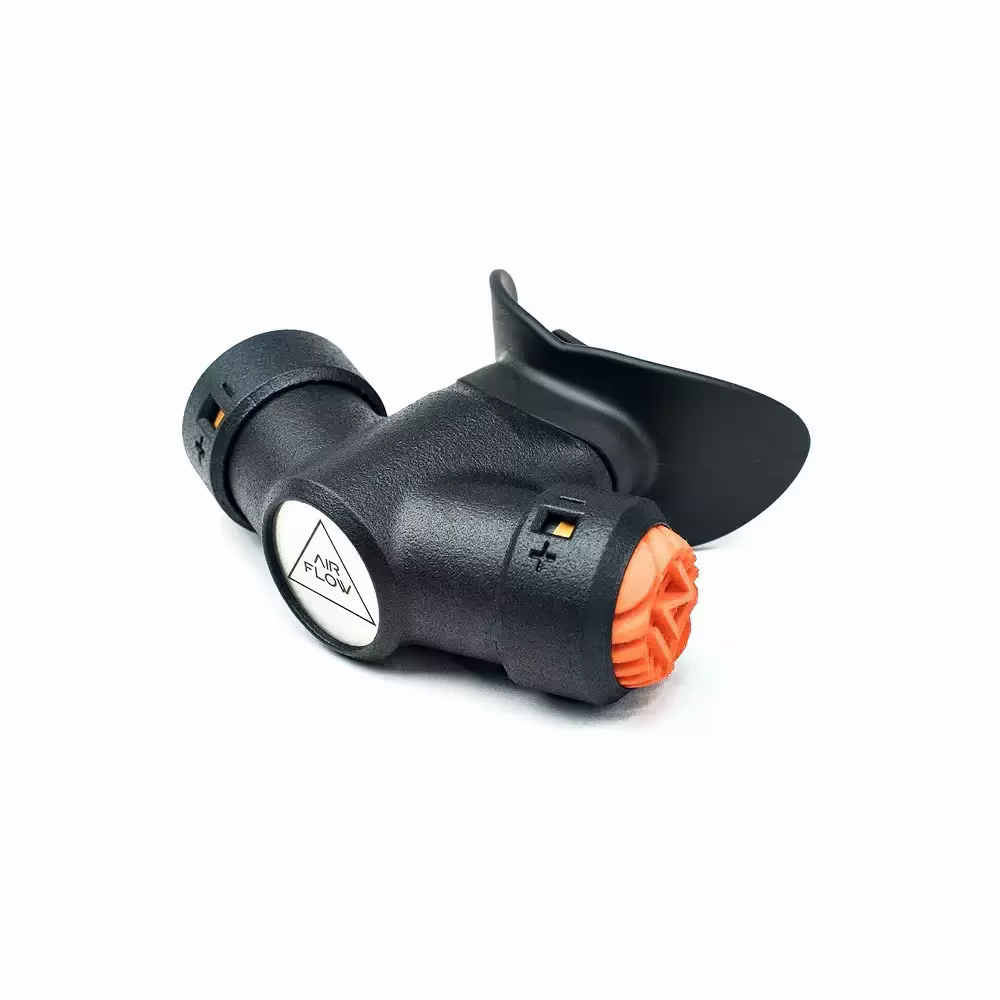
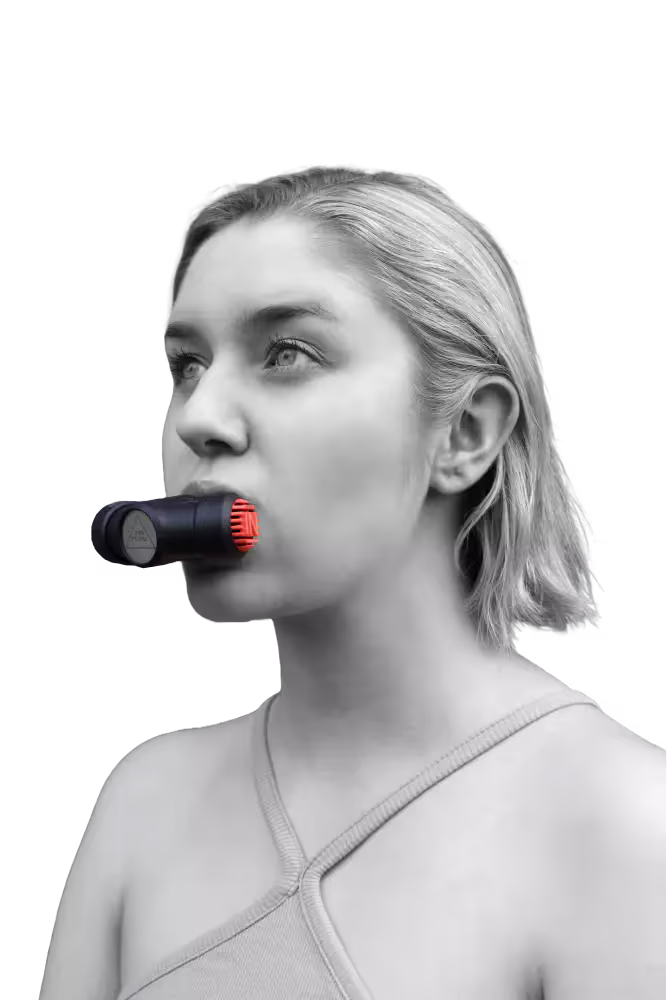
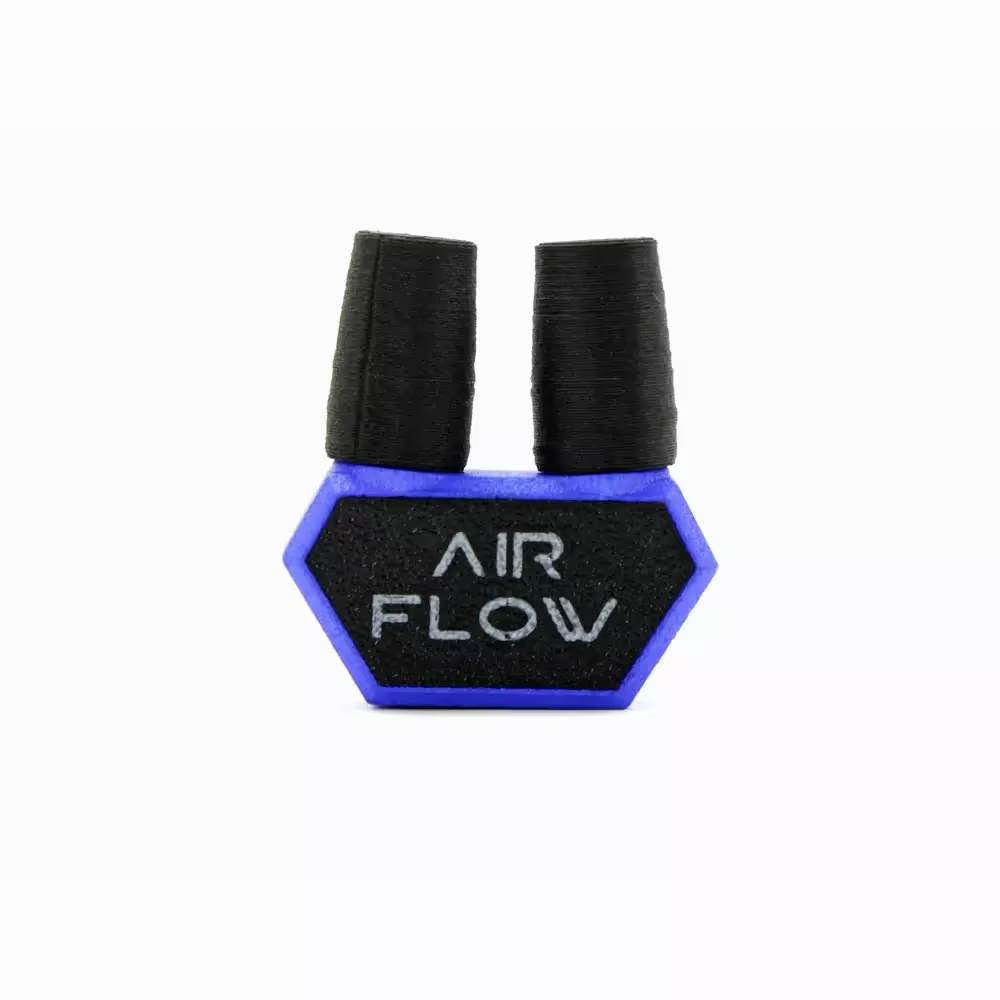
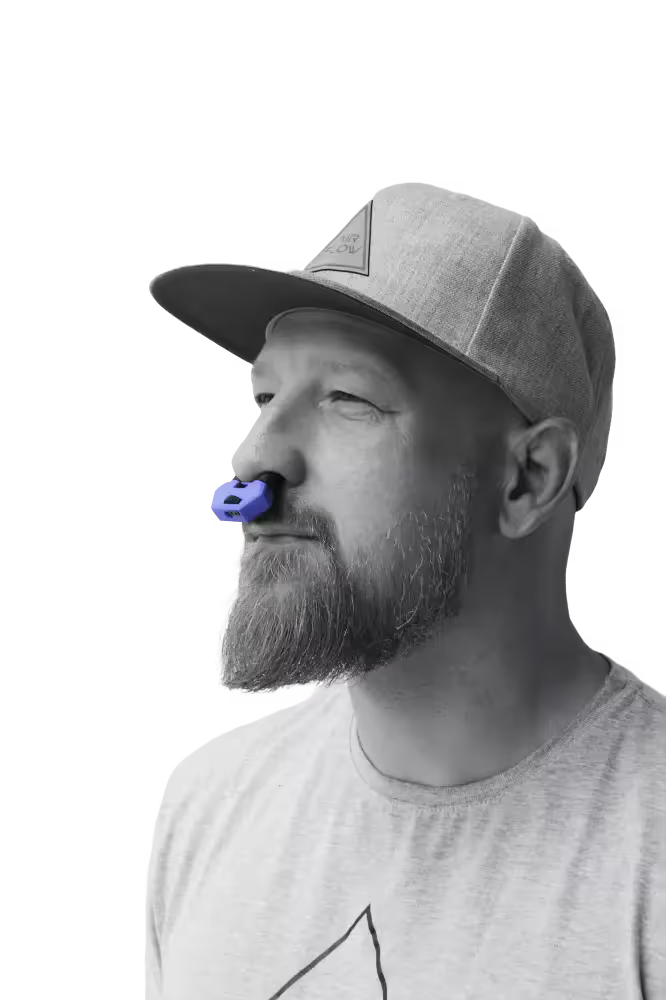
AirFlow Classic breathing resistance trainer Athlete using AirFlow Classic trainer

AirFlow Classic

A high-load mouthpiece breathing trainer that strengthens the diaphragm and builds respiratory endurance. Features two independent resistance dials — IN for inhalation and EX for exhalation — allowing precise intensity control from gentle activation to full-power conditioning.

AirFlow Med nasal breathing trainer Athlete using AirFlow Med trainer

AirFlow Med

A compact nasal breathing trainer that refines breathing mechanics, improves CO₂ tolerance and regulates the nervous system. Using controlled airflow and gentle air hunger exposure, it teaches players to breathe quietly and efficiently — even under pressure. Ideal for recovery sessions, focus work and building a stable diaphragmatic pattern.

— Who It's For

Built for the
Decision-Makers

AirFlow Performance is designed to integrate with your existing S&C and medical framework — not replace it. We work directly with:

  • Head of Performance / S&C Directors
  • First Team & Academy Medical Staff
  • Coaching staff seeking measurable physical gains
  • Sporting Directors evaluating performance innovations
Book a Discovery Call →
S&C trainer session

Ready to run the protocol?