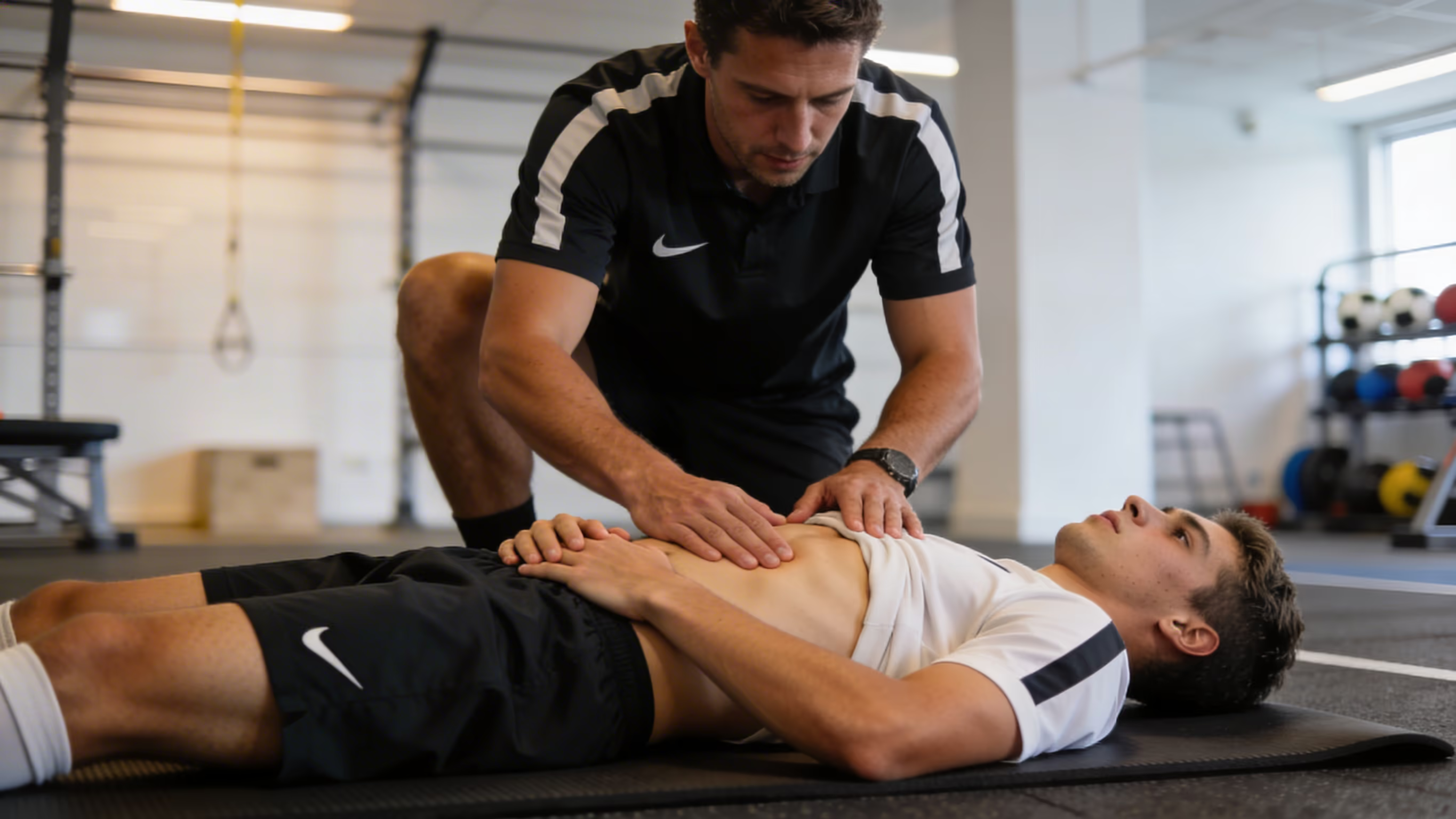
Przepona pełni dwie funkcje jednocześnie: napędza każdy oddech i stabilizuje kręgosłup. Gdy zawodzi w którejkolwiek z nich — bo sportowiec nawykowy oddycha ustami lub stosuje dysfunkcyjny wzorzec oddechowy — zarówno wydolność oddechowa, jak i integralność strukturalna ulegają degradacji. Dlatego mechanika oddychania jest dziś uznawana za fundament elitarnej profilaktyki kontuzji.
Model puszki: czym jest ciśnienie wewnątrzbrzuszne (IAP)?
Fizjolodzy sportowi opisują rdzeń ciała jako zamknięty zbiornik ciśnieniowy — puszkę napoju gazowanego (Soda Can Model):
- Pokrywa górna → przepona
- Dno → dno miednicy (pelvic floor)
- Ścianki → mięsień poprzeczny brzucha (transversus abdominis) i wielodzielny (multifidus)
- Zawartość → ciśnienie wewnątrzbrzuszne (IAP — Intra-Abdominal Pressure)
Gdy przepona kurczy się prawidłowo przy każdym wdechu, obniża się i zwiększa IAP. To ciśnienie działa jak naturalny gorset wokół kręgosłupa lędźwiowego — skuteczniejszy niż jakikolwiek zewnętrzny pas czy orteza. Kluczowy warunek: mechanizm działa wyłącznie przy oddychaniu nosowym i przeponowym. Oddychanie piersiowe (thorakalne) utrzymuje przeponę w pozycji podwyższonej, praktycznie nieruchomej — system ciśnieniowy się zapada.
Kluczowe odkrycie: 80% pacjentów z przewlekłym bólem dolnego odcinka kręgosłupa (LBP) wykazuje nieobecną lub znacznie obniżoną aktywację przepony podczas zadań ruchowych — nawet gdy ich oddychanie w spoczynku wygląda prawidłowo.
Wzorzec oddechowy jako predyktor ryzyka kontuzji
Kontuzje pachwiny i biodra
Badania mierzące ekscentryczną siłę przywodzicieli biodra — główny predyktor naciągnięć pachwiny w piłce nożnej i hokeju — wykazują bezpośredni związek z mechaniką oddechową. Sportowcy oddychający przeważnie ustami wykazują:
- Obniżoną produkcję siły przywodzicieli biodra
- Podwyższone napięcie zginaczy biodra od strony mięśnia lędźwiowo-biodrowego (psoas), który przyczepiony jest w pobliżu przepony
- Upośledzoną koordynację lędźwiowo-miedniczną podczas ruchów eksplozywnych
Jedno badanie prospektywne wykazało iloraz szans (odds ratio) 9,32 dla kontuzji pachwiny wśród zawodników na pozycjach technicznych, którzy uzyskali niską wydolność oddechową w teście Wyniku BOLT — oznacza to dziewięciokrotnie wyższe ryzyko kontuzji pachwiny w trakcie sezonu.
Ból dolnego odcinka kręgosłupa (LBP)
Połączenie przepona–LBP działa przez trzy szlaki:
| Mechanizm | Efekt dysfunkcyjnego oddychania |
|---|---|
| Niewydolność IAP | Kręgosłup nieusztywniony podczas obciążenia — wzrost sił ścinających na kręgi |
| Hiperaktywacja mięśnia lędźwiowo-biodrowego (psoas) | Psoas przejmuje rolę pomocniczego mięśnia oddechowego, chronicznie skracając zginacze biodra |
| Podwyższony kortyzol | Przewlekłe oddychanie ustami stymuluje oś HPA → podwyższony kortyzol → opóźniona naprawa tkanek |
Wynik BOLT jako narzędzie diagnostyczne
Body Oxygen Level Test (BOLT) kwantyfikuje tolerancję CO₂ — fizjologiczny fundament wydolności oddechowej. Wyższy Wynik BOLT bezpośrednio koreluje z:
- Szybszą regeneracją autonomicznego układu nerwowego (ANS) po wysiłku
- Bardziej stabilną aktywacją przepony pod obciążeniem
- Niższym odczuwanym wysiłkiem przy submaksymalnych intensywnościach treningowych
Interpretacja Wyniku BOLT dla sportowców:
| Wynik | Znaczenie |
|---|---|
| < 20 sekund | Dysfunkcyjny wzorzec oddechowy. Wysokie ryzyko kontuzji. |
| 20–30 sekund | Przeciętny. Przepona częściowo funkcjonalna pod obciążeniem. |
| 30–40 sekund | Dobry. Stabilne ciśnienie rdzeniowe w większości sytuacji sportowych. |
| > 40 sekund | Elitarny. Pełna stabilizacja przeponowa nawet przy wysiłku maksymalnym. |
Jak mierzyć: Usiądź spokojnie na 2 minuty. Normalny wdech nosem, następnie normalny wydech. Zaciśnij nos i licz sekundy do pierwszej wyraźnej potrzeby wdechu — nie do maksymalnego wstrzymania. To jest Twój Wynik BOLT.
Oddychanie ustami: dane ze Stanford
Badania Stanford University nad oddychaniem ustami u zdrowych dorosłych (drogi nosowe zaklejone taśmą na 10 dni) wykazały alarmujące wyniki sercowo-naczyniowe i strukturalne:
- Ciśnienie krwi wzrosło o +13 punktów skurczowego
- Chrapanie wzrosło o +1300%
- Liczba epizodów bezdechu sennego wzrosła 4-krotnie
W kontekście sportowym przewlekłe oddychanie ustami wywołuje wtórne zmiany posturalne: wysunięcie głowy do przodu, uniesienie i zaokrąglenie barków, zmniejszoną ruchomość odcinka piersiowego — co upośledza zakres ruchu przepony i dodatkowo obniża IAP podczas treningu.
Oddychanie przeponowe vs. oddychanie piersiowe: porównanie
| Parametr | Oddychanie piersiowe | Oddychanie przeponowe |
|---|---|---|
| IAP rdzenia | Minimalne | Pełne (naturalny gorset) |
| Aktywacja ANS | Współczulna (walcz/uciekaj) | Przywspółczulna (regeneracja) |
| Powrót żylny | Obniżony | Optymalny (pompa piersiowa) |
| Retencja CO₂ | Słaba (nadmierne wypłukiwanie) | Optymalna |
| Drenaż limfatyczny | Pasywny, powolny | Aktywny (przepona jako pompa limfatyczna) |
| Odpowiedź kortyzolowa | Podwyższona | Stłumiona |
Korzyści psychofizjologiczne treningu oddychania przeponowego
Poza ochroną strukturalną, trening oddychania przeponowego przynosi mierzalne korzyści psychologiczne:
- Redukcja lęku przedstartowego: Powolny wydech nosowy aktywuje nerw błędny i przesuwa ANS w kierunku dominacji przywspółczulnej w ciągu 90 sekund — obniżając tętno i kortyzol bez sedacji sportowca
- Poprawa powrotu żylnego: Różnica ciśnień generowana przez głębokie oddychanie przeponowe działa jako wtórna pompa sercowa, przyspieszając powrót krwi do serca i skracając czas regeneracji po sprintach
- Tłumienie osi HPA: Konsekwentne oddychanie przeponowe redukuje aktywację osi podwzgórze-przysadka-nadnercza (HPA), obniżając przewlekłe obciążenie kortyzolem, które opóźnia naprawę ścięgien i mięśni
Protokół praktyczny: reaktywacja przepony
Włącz tę sekwencję na początku każdej rozgrzewki:
- Oddychanie krokodyla (2 minuty): Połóż się na brzuchu, dłonie pod czołem. Przy każdym wdechu poczuj, jak brzuch naciska na podłogę — nie jak unosi się klatka piersiowa. Ta pozycja mechanicznie wymusza aktywację przepony jako pierwszej.
- Oddychanie nosowe w siadzie (3 minuty): Usiądź prosto. Zamknij usta całkowicie. Oddychaj wyłącznie nosem, czując jak dolne żebra rozszerzają się bocznie przy każdym wdechu.
- Integracja z ruchem: Wykonuj bird-dog lub dead bug z 2–3-sekundowym zatrzymaniem oddechu w momencie szczytowego napięcia, następnie pełny wydech nosem przy powrocie. To trenuje IAP pod obciążeniem nerwowo-mięśniowym.
Cel w ciągu 8 tygodni: Wynik BOLT powyżej 30 sekund, utrzymanie oddychania nosowego przy 70–75% maksymalnego tętna.
FAQ
Czy można prawidłowo oddychać ustami przy wysiłku maksymalnym? Przy rzeczywistej maksymalnej intensywności (95%+ VO₂max) oddychanie ustami jest fizjologicznie nieuniknione. Celem treningu oddychania nosowego jest podniesienie progu, przy którym oddychanie ustami staje się konieczne — z 60% do 85%+ wysiłku maksymalnego. Osiąga się to przez stopniową habituację oddychania nosowego podczas treningów.
Jak szybko poprawia się funkcja przepony dzięki treningowi? Mierzalne poprawy Wyniku BOLT — który odzwierciedla koordynację przepony, nie tylko tolerancję CO₂ — pojawiają się w ciągu 3–4 tygodni konsekwentnej praktyki oddychania nosowego. Strukturalne poprawy IAP podczas zadań ruchowych wymagają zwykle 6–8 tygodni.
Czy trening oddychania przeponowego jest odpowiedni dla sportowców z istniejącym bólem dolnego odcinka kręgosłupa? Tak, z zachowaniem ostrożności. Zacznij od pozycji leżącej na plecach i na brzuchu, gdzie kręgosłup jest odciążony. Unikaj ćwiczeń z zatrzymaniem oddechu, dopóki Wynik BOLT nie przekroczy 20 sekund. Sportowcy z ostrą patologią dyskową powinni koordynować program z fizjoterapeutą.
Chcesz ocenić swoją mechanikę oddechową i Wynik BOLT? Skontaktuj się z zespołem AirFlow Performance →