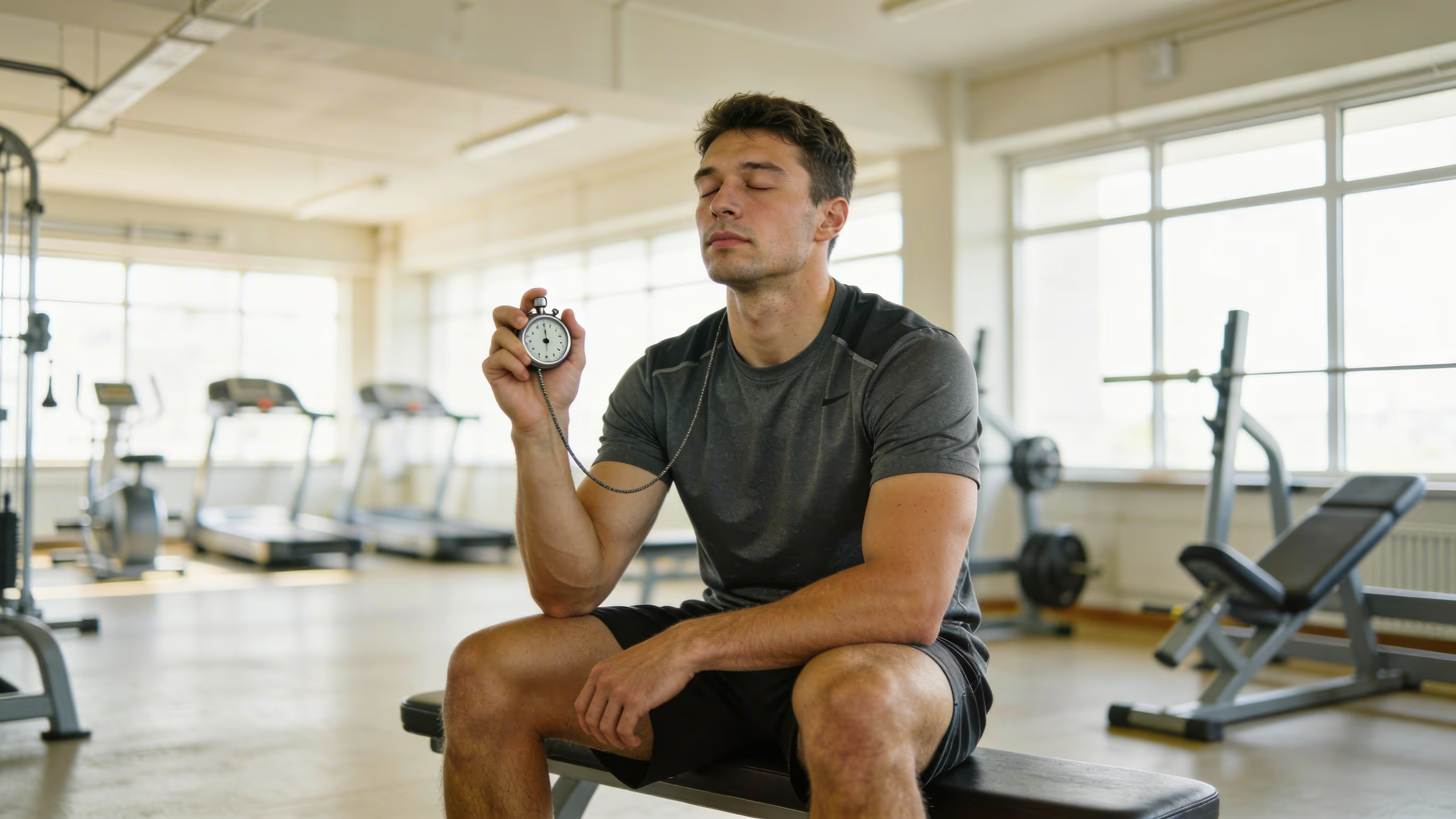
Pauza Kontrolna (CP) — znana w systemie Oxygen Advantage jako Wynik BOLT (Body Oxygen Level Test) — jest najbardziej informatywnym biomarkerem oddechowym dostępnym bez sprzętu laboratoryjnego. 30-sekundowy pomiar wykonywany każdego ranka ujawnia tolerancję CO₂, stan autonomicznego układu nerwowego, jakość snu, zdolność regeneracji i gotowość startową. Ten przewodnik wyjaśnia, co mierzy Pauza Kontrolna, co oznaczają wyniki i jak je systematycznie poprawiać.
Co właściwie mierzy Pauza Kontrolna
Częste nieporozumienie: Pauza Kontrolna mierzy, jak długo potrafisz wstrzymać oddech. To nieprawda.
Pauza Kontrolna mierzy próg CO₂, przy którym organizm uruchamia odruch oddechowy. U sportowca z niską tolerancją CO₂ odruch ten pojawia się wcześnie — przy relatywnie niskim stężeniu CO₂. U sportowca z wysoką tolerancją odruch pojawia się później, umożliwiając wydajniejszą wymianę gazową i większe fizjologiczne opanowanie pod obciążeniem.
Mechanizm: w miarę wzrostu CO₂ podczas zatrzymania oddechu chemoreceptory obwodowe (w kłębkach szyjnych) i chemoreceptory centralne (w rdzeniu przedłużonym) wykrywają zmianę i sygnalizują mięśniom oddechowym skurcz. Pierwszy mimowolny skurcz przepony lub ruch przełykania w gardle to moment, w którym należy zatrzymać stoper.
To nie jest test odporności na dyskomfort. To pomiar kalibracji chemoreceptorów.
Jak prawidłowo mierzyć Pauzę Kontrolną
Optymalny czas pomiaru: Natychmiast po przebudzeniu, przed jedzeniem, piciem i jakąkolwiek aktywnością. Poranna Pauza Kontrolna to prawdziwa wartość bazowa; pomiary wykonane później w ciągu dnia są zniekształcone przez jedzenie, aktywność i skumulowane CO₂ z wzorców oddechowych w ciągu dnia.
Procedura:
- Usiądź prosto, plecy wyprostowane, stopy płasko na podłodze
- Oddychaj normalnie przez nos przez 2–3 minuty
- Po normalnym (nie forsowanym) wydechu zaciśnij nos
- Włącz stoper
- Zatrzymaj, gdy poczujesz pierwszą wyraźną potrzebę oddechu — pierwsze lekkie napięcie w gardle lub mimowolny skurcz przepony
- Puść nos i oddychaj normalnie (nie łap powietrza — jeśli łapiesz, zatrzymanie trwało za długo)
- Zapisz czas
Pierwszy oddech po zatrzymaniu powinien być zupełnie naturalny. Jeśli odczuwasz pilność lub łapiesz powietrze, zmniejsz kolejny pomiar o 5–10 sekund.
Interpretacja Wyniku Pauzy Kontrolnej
Pełna skala
| Wynik CP | Stan fizjologiczny | Wydolność sportowa |
|---|---|---|
| < 10 sekund | Ciężka dysfunkcja oddechowa. Chroniczna dominacja współczulna. | Niezdolność do podtrzymania wysiłku aerobowego. Wymaga pilnej interwencji. |
| 10–20 sekund | Istotna dysfunkcja. Prawdopodobny lęk, słaby sen, chroniczne zmęczenie. | Ćwiczenia o wysokiej intensywności natychmiast wywołują głód powietrza i załamanie techniki. |
| 20–30 sekund | Poniżej normy. Graniczna hiperwentylacja w spoczynku. | Wydolność rywalizacyjna ograniczona, szczególnie w końcowych fazach meczu lub wyścigu. |
| 30–40 sekund | Dobry. Wystarczająca tolerancja CO₂ do sportu wyczynowego. | Wydolność aerobowa funkcjonalna. Regeneracja między sprintami adekwatna. |
| > 40 sekund | Doskonały. Elitarna adaptacja fizjologiczna. | Powtarzane wysiłki o wysokiej intensywności z szybką regeneracją. Opanowanie pod presją. |
Ukryty problem elitarnych sportowców
Jedno z najważniejszych — i niedocenianych — odkryć w fizjologii oddychania: jest całkowicie możliwe posiadanie wysokiego VO₂max (55–70 ml/kg/min) i niskiego CP (15–20 sekund) jednocześnie.
Ci sportowcy mają znakomity sprzęt sercowo-naczyniowy, ale nawyk hiperwentylacji uniemożliwiający pełne dostarczanie tlenu do mięśni (Efekt Bohra). Często zgłaszają niewyjaśnione zmęczenie w końcowej fazie rywalizacji, mimo że są „wydolni aerobowo”. Korekta deficytu CP — nie dodatkowy trening wytrzymałościowy — jest właściwą interwencją.
Co przewiduje każdy poziom CP
CP a stres / stan autonomiczny
Gałęzie przywspółczulna i współczulna autonomicznego układu nerwowego (ANS) bezpośrednio reagują na poziomy CO₂:
- CP < 20–25 sekund: Dominująca aktywacja współczulna. Organizm jest w stanie niskiego poziomu walcz-lub-uciekaj 24 godziny na dobę. Objawia się to bazowym lękiem, drażliwością, słabą koncentracją i podwyższonym tętnem spoczynkowym. Sportowcy w tym stanie łatwo wpadają w przetrenowanie, ponieważ system regeneracji (przywspółczulny) jest stłumiony.
- CP > 40 sekund: Zrównoważony ANS. System przywspółczulny aktywuje się wydajnie po stresie. To profil autonomiczny sportowców, którzy opisują „spokój z ostrością” pod presją rywalizacji.
CP a jakość snu
Związek między CP a snem jest bezpośredni i klinicznie istotny:
| Zakres CP | Wpływ na sen |
|---|---|
| < 20 sekund | Wysokie prawdopodobieństwo chrapania, epizodów bezdechu sennego, oddychania ustami podczas snu, nokturia, poranne zmęczenie |
| 20–30 sekund | Umiarkowana jakość snu. Częściowy sen regeneracyjny, ale fazy REM krótsze |
| > 40 sekund | Głęboki, regeneracyjny sen. Naturalne oddychanie nosowe przez całą noc. Poranne CP zgodne z wieczorną wartością bazową |
Sportowcy z CP poniżej 20 sekund, którzy zaczynają zaklejać usta na noc (taśmą chirurgiczną 3M Micropore — bezpieczna, hipoalergiczna, łatwo usuwalna), zwykle zgłaszają mierzalną poprawę snu w ciągu 5–7 dni, przed jakimikolwiek innymi interwencjami.
CP a regeneracja
Sportowcy z wysokim CP wykazują:
- Szybsze przywracanie HRV po sesjach treningowych (szybsza reaktywacja przywspółczulna)
- Niższy poziom mleczanu przy równoważnych obciążeniach (Efekt Bohra funkcjonuje prawidłowo)
- Zmniejszone nasilenie DOMS (lepsza przeponowa drenaż limfatyczny redukuje stan zapalny)
- Szybszy powrót do bazowego HR po interwałach
Systematyczny protokół poprawy CP
Tydzień 1–2: nawyk oddychania nosowego
- Zamknięte usta podczas wszystkich aktywności treningowych submaksymalnych
- Rozgrzewka i schładzanie wyłącznie oddychaniem nosowym
- Taśma 3M Micropore na usta na noc
- Codzienny poranny pomiar CP — rejestracja wyników
Oczekiwana zmiana: +2–5 sekund w 2 tygodnie (głównie z eliminacji nocnej hiperwentylacji)
Tydzień 3–4: ćwiczenia akumulacji CO₂
- Zatrzymania oddechu podczas marszu: Normalny wydech → zatrzymanie → 20–30 kroków → normalne oddychanie przez 10 kroków → powtórzenie 8–10 razy
- Dyscyplina oddychania po wysiłku: Po sprintach lub interwałach nie łapać powietrza. 3 powolne oddechy nosowe przed kolejnym wysiłkiem. Lekki głód powietrza jest adaptacyjny, nie niebezpieczny.
- Oddychanie pudełkowe (box breathing, 4-4-4-4): Wdech nosem 4 s, zatrzymanie 4 s, wydech nosem 4 s, zatrzymanie na pustych płucach 4 s. Stosować przed snem i przed zawodami.
Oczekiwana zmiana: +5–8 sekund w 4 tygodnie
Tydzień 5–8: integracja i obciążenie
- Rozszerzenie progu oddychania nosowego do 80%+ HR max
- Dodanie zatrzymań oddechu podczas biegu: na truchtach regeneracyjnych zatrzymanie na 10–20 kroków
- Wprowadzenie techniki „łyku powietrza” (sip breathing): podczas długiego zatrzymania oddechu malutki wdech nosowy (1–2% pełnej pojemności wdechowej) przedłuża bodziec hiperkapniczny bez resetowania akumulacji CO₂
- Ponowny test CP na koniec 8. tygodnia
Cel: +10–15 sekund powyżej wartości bazowej
Reakcje organizmu przy wzroście CP
Sportowcy poprawiający CP z poniżej 20 do powyżej 30 sekund często doświadczają przejściowych reakcji adaptacyjnych w miarę normalizacji chemii CO₂:
- Zwiększona produkcja śluzu (w miarę regeneracji przesuszonych błon śluzowych nosa)
- Łagodne bóle głowy w pierwszych 1–2 tygodniach (normalizacja przepływu krwi w mózgu)
- Żywe sny lub zmiana głębokości snu (zmiana architektury REM)
- Przejściowe zmniejszenie apetytu (spadek aktywacji współczulnej i przywrócenie równowagi hormonów głodu)
Te reakcje trwają 3–10 dni i wskazują na prawidłową adaptację organizmu.
FAQ
Czy powinienem mierzyć CP kilka razy i uśredniać? Nie. Jeden pomiar na sesję wystarczy. Poranny pomiar to jedyna miarodajna wartość bazowa do śledzenia postępów długoterminowych. Dodatkowe pomiary w ciągu dnia mogą służyć ocenie zmęczenia lub stanu regeneracji, ale nie powinny zastępować wartości porannej.
Moje CP wynosi 35 sekund, ale nadal tracę oddech podczas sprintów — dlaczego? CP 35 sekund w spoczynku nie oznacza, że tolerancja CO₂ jest w pełni wytrenowana pod obciążeniem. Następnym krokiem jest rozszerzenie zdolności oddychania nosowego pod progresywnie wyższymi intensywnościami. Trening z zatrzymaniem oddechu podczas ruchu (nie tylko w spoczynku) to pomost między spoczynkowym CP a CP wydolnościowym.
Czy przetrenowanie może obniżyć CP? Tak. Syndrom przetrenowania konsekwentnie prezentuje się obniżonym porannym CP (z powodu podwyższonego bazowego kortyzolu i dominacji współczulnej) wraz z obniżonym HRV. Spadek CP o 5+ sekund poniżej stabilnej wartości bazowej jest wiarygodnym wczesnym ostrzeżeniem o przetrenowaniu lub chorobie.
Czy test CP jest bezpieczny dla każdego? Spoczynkowy test CP jest bezpieczny dla zdrowych osób. Sportowcy z chorobami sercowo-naczyniowymi, w ciąży, z niekontrolowanym nadciśnieniem lub cukrzycą typu 1 powinni unikać protokołów z zatrzymaniem oddechu wykraczających poza podstawowy spoczynkowy pomiar CP i skonsultować się z lekarzem przed przejściem do ćwiczeń obciążeniowych CO₂.
Zacznij śledzić poranną Pauzę Kontrolną od jutra. W ciągu 30 sekund od przebudzenia, przed sprawdzeniem telefonu — zmierz, zapisz i pozwól danym kierować Twoim treningiem. Skontaktuj się z AirFlow Performance → po ustrukturyzowany program oparty na Twoim aktualnym wyniku.