Breathing
Performance
Science
Evidence-based articles on respiratory physiology, elite sport application, and the science of breathing performance.

Inspiratory Muscle Training in Football: 16% Better Yo-Yo Test and a Delayed Metaboreflex
10 minutes a day with a threshold device pushes back the metaboreflex, improves Yo-Yo IRT by 16%, and accelerates lactate clearance. IMT evidence and protocols for footballers.
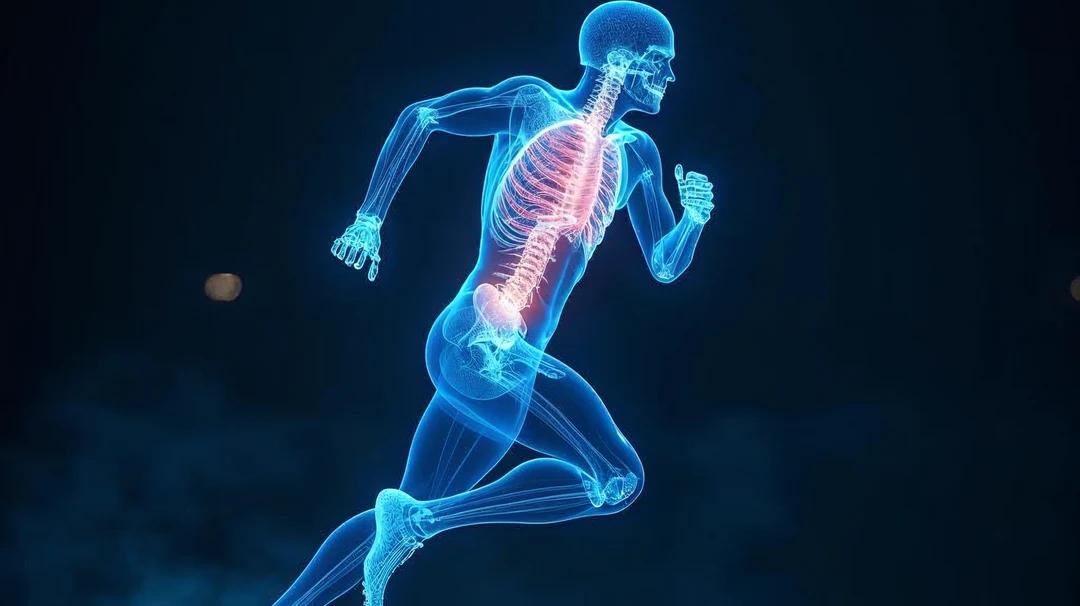
The Diaphragm: Football's Hidden Engine for Stability, Speed and Injury Prevention
The diaphragm doesn't just drive breathing — it stabilizes the spine, protects the ACL, and decides your speed in the 80th minute. Here's how to train it.
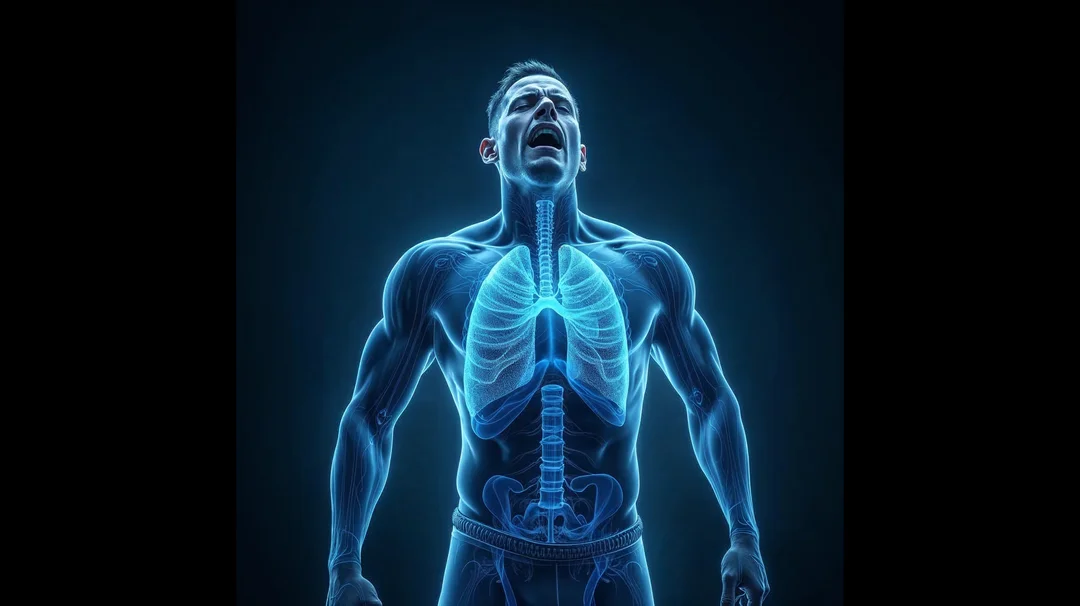
Iron Core, Suffocated Diaphragm: How Tight Abs Cost Footballers Stamina
A locked-down core compresses the diaphragm like a corset — driving breath stacking, neck breathing, and late-match fatigue. Inside: 4 hidden mechanisms.

Breathing Training in Football: The Competitive Edge VO₂max Doesn't Measure
Why breathing training in football doesn't raise VO₂max — but radically improves sprint repeatability, recovery speed, and late-game readiness.

CO₂ Tolerance and Athletic Performance: A Science-Based Complete Guide
CO₂ is not a waste gas — it regulates oxygen delivery, heart rate, vessel diameter, and focus. A guide to the physiology of CO₂ tolerance and training protocols.

Breath Training in Biomechanical Rehabilitation: How Buteyko Protocols Accelerate Return from Injury
Combining Buteyko/Oxygen Advantage breathing protocols with biomechanical rehab shortens return-to-play time, strengthens connective tissue, and lowers reinjury rates.

Oxygen Advantage: How CO₂ Tolerance and Diaphragm Function Unlock Athletic Performance
Oxygen Advantage isn't about more breaths — it's about fewer, better ones. See how CO₂ tolerance, diaphragm mechanics, nitric oxide and altitude training build elite performance.

Control Pause (BOLT Score): The Complete Guide to Measuring CO₂ Tolerance in Athletes
The Control Pause is not a willpower test — it's a precise biomarker of CO₂ tolerance, autonomic balance, sleep quality, and injury resilience. Learn how to measure and improve it.

The Oxygen Paradox: Why Deep Breathing Reduces Oxygen Delivery to Muscles
Bigger breaths don't deliver more oxygen — CO₂ depletion reverses the Bohr Effect. Inside the physiology of the oxygen paradox and how to fix it.