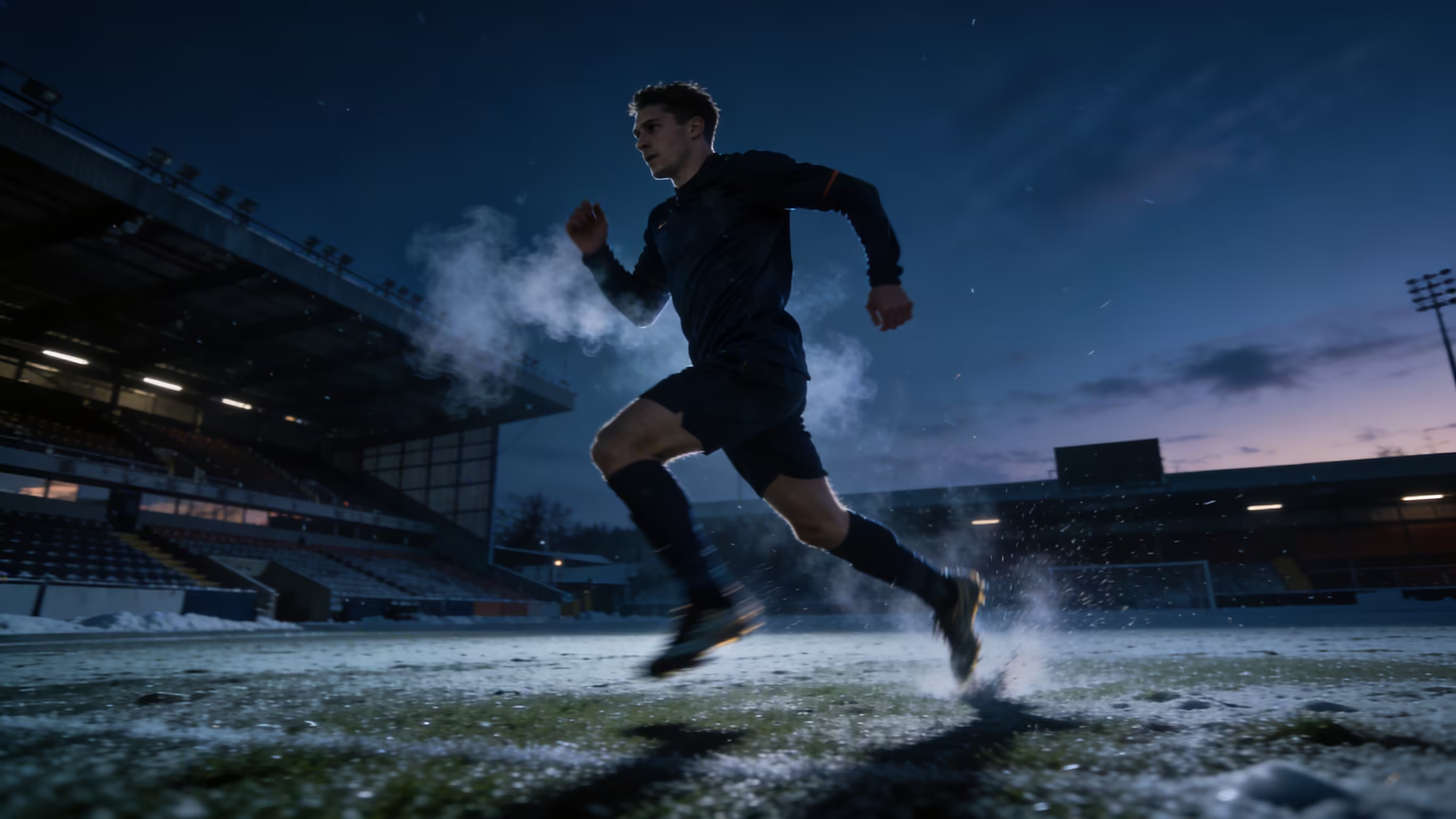
Trening oddechowy w piłce nożnej jest powszechnie lekceważony — a to lekceważenie opiera się na błędnej interpretacji badań naukowych. Standardowy argument brzmi: „Trening oddechowy nie podnosi istotnie VO₂max u zdrowych sportowców, więc ma ograniczoną wartość.” Wniosek jest prawidłowy w przesłance i błędny w zastosowaniu. VO₂max nie jest głównym wąskim gardłem wydajności w sporcie zbudowanym na powtarzanych sprintach, zmianach kierunku i 90 minutach wysiłku interwałowego.
To, co ogranicza piłkarzy, to nie pułap wydolnościowy — lecz zdolność do wielokrotnego operowania blisko tego pułapu bez załamania. I właśnie tu mechanika oddechowa staje się decydująca.
VO₂max: dlaczego to niewłaściwy wskaźnik dla piłki nożnej
VO₂max — maksymalny pobór tlenu podczas ciągłego wysiłku tlenowego — jest złotym standardem w sportach wytrzymałościowych, takich jak kolarstwo czy biegi długodystansowe. W tych dyscyplinach utrzymywanie wysiłku przy stałym, wysokim odsetku VO₂max przez dłuższy czas jest dokładnie tym, co decyduje o wyniku.
Piłka nożna ma strukturalnie odmienną charakterystykę. Elitarni zawodnicy z pola wykonują 150–200 akcji o wysokiej intensywności w meczu, w tym sprinty, skoki, wślizgi i gwałtowne zmiany kierunku. Między tymi wybuchami regenerują się w tempie marszu lub truchtu przez 20–60 sekund przed kolejnym eksplozywnym wymaganiem. Ten interwałowy wzorzec oznacza:
- VO₂max definiuje pułap tlenowy, ale nie zdolność do wielokrotnego zbliżania się do niego
- Szybkość regeneracji między sprintami zależy od regulacji autonomicznego układu nerwowego i regulacji CO₂ — nie od VO₂max
- Koszt energetyczny wentylacji pod obciążeniem bezpośrednio konkuruje z dopływem krwi do pracujących mięśni nóg
Zawodnik z umiarkowanym VO₂max, który regeneruje się między sprintami w 18 sekund, przewyższy zawodnika z wyższym VO₂max potrzebującego 30 sekund do powrotu do gotowości. Układ oddechowy jest kluczowym wyznacznikiem tego okna regeneracji.
Metaboreflex oddechowy: gdy płuca kradną krew Twoim nogom
Najbardziej pomijany mechanizm w fizjologii piłki nożnej to metaboreflex oddechowy (respiratory metaboreflex) — zaprogramowana odpowiedź fizjologiczna, która ma ogromne konsekwencje dla powtarzalności sprintów.
Gdy mięśnie oddechowe ulegają zmęczeniu — jak dzieje się w ostatnich 20–30 minutach intensywnego meczu — organizm aktywuje odruch współczulny zwężający naczynia krwionośne w pracujących kończynach. Dzieje się to mimowolnie, jako reakcja awaryjna chroniąca przeponę i mięśnie międzyżebrowe przed całkowitym wyczerpaniem.
Konsekwencje są bezpośrednie i mierzalne:
- Zmniejszony przepływ krwi do mięśni nóg → przyspieszone zmęczenie obwodowe
- Zwiększona częstość akcji serca i obciążenie sercowo-naczyniowe przy tym samym obciążeniu zewnętrznym
- Skokowy wzrost odczuwanego wysiłku — zawodnik czuje większe wyczerpanie niż wynikałoby z faktycznego zmęczenia mięśniowego
- Degradacja koordynacji nerwowo-mięśniowej → wyższe ryzyko kontuzji w końcówce meczu
Badania mierzące przepływ krwi w kończynach dolnych podczas wysiłku o wysokiej intensywności wykazały, że zmęczone mięśnie oddechowe mogą zmniejszyć perfuzję nóg o 7–10% — wystarczająco, aby mierzalnie obniżyć prędkość maksymalną sprintu i siłę maksymalną podczas powtarzanych wysiłków.
Trening mięśni oddechowych (RMT) poprawiający wytrzymałość i siłę przepony redukuje lub opóźnia wystąpienie metaborefleksu. To mechanizm poprawy wydajności całkowicie niezależny od VO₂max.
Tolerancja CO₂ w sportach interwałowych: fizjologia
Podczas powtarzanych wysiłków o wysokiej intensywności regulatorem napędu oddechowego nie jest tlen — lecz dwutlenek węgla (CO₂). Ośrodek oddechowy w pniu mózgu reaguje przede wszystkim na wzrost CO₂ i spadek pH krwi. Oznacza to, że tolerancja CO₂ (CO₂ tolerance) — zdolność do utrzymania opanowania i efektywnych wzorców oddechowych przy rosnącym stężeniu CO₂ — bezpośrednio decyduje o funkcjonowaniu fizjologicznym zawodnika w najtrudniejszych momentach meczu.
Niska tolerancja CO₂ wywołuje rozpoznawalną kaskadę podczas gry o wysokiej intensywności:
- Sprint wytwarza CO₂ → częstość oddechów rośnie nieproporcjonalnie (hiperwentylacja)
- Nadmierny wypłukiwanie CO₂ → pH krwi rośnie → odwrócenie Efektu Bohra (Bohr Effect) — hemoglobina zatrzymuje O₂ zamiast uwalniać go do mięśni
- Spadek CO₂ powoduje skurcz naczyń → zmniejszony przepływ mózgowy → upośledzone podejmowanie decyzji
- Mięśnie gładkie oskrzeli kurczą się (skurcz oskrzeli wysiłkowy) → uczucie „braku powietrza”
- Regeneracja między sprintami się wydłuża → mniej czasu na pełną dyspozycję przed kolejnym wysiłkiem
Zawodnicy z wyższą tolerancją CO₂ utrzymują stabilny, nosowo-dominujący wzorzec oddechowy nawet pod presją meczową. Utrzymuje to efektywną wentylację, wspiera Efekt Bohra, zachowuje przepływ mózgowy i przyspiesza regenerację autonomiczną między wysiłkami.
Tolerancja CO₂ jest trenowalna — poprzez kontrolowaną ekspozycję hiperkapniczną: ćwiczenia z zatrzymywaniem oddechu, oddychanie o zmniejszonej częstotliwości podczas wysiłku submaksymalnego i protokoły oddychania nosowego zintegrowane z sesjami treningowymi.
Izolowany vs. funkcjonalny trening oddechowy
Większość opublikowanych badań nad RMT wykorzystuje protokoły izolowane: zawodnik oddycha przeciwko stałemu oporowi (trener mięśni wdechowych) w pozycji siedzącej lub stojącej, bez jednoczesnej pracy lokomotorycznej. Badania te konsekwentnie poprawiają siłę mięśni wdechowych o 20–40% i wykazują umiarkowaną poprawę wydolności wytrzymałościowej, przy ograniczonym wpływie na VO₂max.
Ograniczeniem jest trafność ekologiczna. Piłka nożna nie rozgrywa się w bezruchu. Układ oddechowy dynamicznie współdziała ze stabilizacją tułowia, kontrolą postawy i mechaniką kończyn podczas ruchu.
Funkcjonalny trening oddechowy — w którym wzorce oddechowe są trenowane w kontekście ruchowym specyficznym dla danego sportu — wykazuje lepszy transfer na wydajność meczową:
| Typ protokołu | Wpływ na VO₂max | Regeneracja sprintowa | Odczuwany wysiłek |
|---|---|---|---|
| Izolowany RMT (statyczny) | Minimalny | Umiarkowana poprawa | Obniżony |
| Zintegrowany funkcjonalny RMT | Minimalny | Znacząca poprawa | Istotnie obniżony |
| Trening tolerancji CO₂ | Brak bezpośredniego | Duża poprawa | Istotnie obniżony |
Podejścia funkcjonalne obejmują:
- Biegi tempowe z kontrolowaną kadencją oddechu (np. wyłącznie nosowe przy 80–85% tętna maksymalnego)
- Zatrzymania oddechu po sprincie na 3–5 sekund w celu przyspieszenia reekwilibracji CO₂
- Interwały sprintowe z określonymi wzorcami oddechowymi trenujące odruch regeneracyjny pod obciążeniem
- Sygnały przeponowe podczas drillów zwinnościowych utrzymujące koordynację oddechową w warunkach obciążenia przestrzennego i poznawczego
Pięć adaptacji wydolnościowych niewymagających wyższego VO₂max
Gdy trening oddechowy jest stosowany systematycznie w kontekście piłkarskim, poprawa wydajności zachodzi przez pięć odrębnych mechanizmów — żaden z nich nie wymaga wzrostu VO₂max:
1. Obniżony koszt wentylacji
Mięśnie oddechowe zużywają 8–15% całkowitego poboru tlenu podczas wysiłku maksymalnego — odsetek, który rośnie dalej wraz ze zmęczeniem. Trening mięśni oddechowych w kierunku większej efektywności obniża tę frakcję, pozostawiając więcej tlenu dla mięśni nóg przy tym samym obciążeniu zewnętrznym.
2. Supresja metaborefleksu
Wytrenowane mięśnie oddechowe osiągają próg zmęczenia później w trakcie wysiłku, opóźniając lub eliminując kaskadę skurczu naczyń współczulnych. Zawodnicy mogą utrzymywać wyższą intensywność sprintów w minutach 70–90 bez mimowolnej redukcji przepływu krwi w nogach charakterystycznej dla niewytrenowanych graczy.
3. Lepsza ekonomia ruchu
Przepona pełni podwójną rolę — mięśnia oddechowego i głównego stabilizatora kręgosłupa (górna pokrywa systemu ciśnienia wewnątrzbrzusznego). Dysfunkcyjne wzorce oddechowe upośledzają tę funkcję stabilizacyjną podczas ruchu z wysoką prędkością, zwiększając marnotrawstwo energii na kompensacyjną stabilizację tułowia. Trening oddechowy przywraca tę podwójną funkcję i obniża koszt energetyczny ruchu w tempie meczowym.
4. Tolerancja CO₂ a szybsza regeneracja między sprintami
Zawodnicy z wytrenowaną tolerancją CO₂ wykazują szybszy powrót tętna, wentylacji i obwodowego przepływu krwi do wartości wyjściowych po wysiłkach o wysokiej intensywności. W praktyce: 30-sekundowe okno regeneracji zapewnia więcej faktycznego odpoczynku niż u niewytrenowanego zawodnika. Przez 90 minut efekt ten kumuluje się znacząco — dając mierzalne różnice w dystansie pokonanym z wysoką intensywnością w drugiej połowie.
5. Zachowane podejmowanie decyzji pod zmęczeniem
Przepływ mózgowy jest bezpośrednio regulowany przez poziom CO₂. Gdy CO₂ spada podczas hiperwentylacji, przepływ mózgowy maleje, a funkcja kory przedczołowej ulega degradacji — produkując „widzenie tunelowe” i błędy decyzyjne charakterystyczne dla zmęczenia w końcówce meczu. Trening tolerancji CO₂ zapobiega temu spadkowi, utrzymując ostrość poznawczą w momentach, gdy decyzje mają największe znaczenie.
Praktyczny schemat wdrożenia
Systematyczny trening oddechowy w kontekście klubu piłkarskiego realizowany jest w progresywnej strukturze:
Faza 1 — Ocena i świadomość (Tydzień 1–2)
- Bazowy Wynik BOLT (Body Oxygen Level Test — sekundy od normalnego wydechu do pierwszej potrzeby oddychania)
- Obserwacja wzorca oddechowego pod obciążeniem: piersiowy vs. przeponowy, nosowy vs. ustny, częstość i głębokość
- Bazowe czasy regeneracji sprintowej przy ustalonych wartościach tętna po wysiłku
Wynik BOLT poniżej 20 sekund wskazuje na dysfunkcyjną mechanikę oddechową i wysoką podatność na kaskadę metaborefleksu. Większość nietrenowanych oddechowo piłkarzy uzyskuje 15–22 sekundy.
Faza 2 — Izolowana mechanika (Tydzień 3–6)
- Drille aktywacji przepony: oddychanie 360° w leżeniu, reset przeponowy w pozycji czworaczej
- Oddychanie nosowe podczas wszystkich treningów o niskiej intensywności
- Trening mięśni wdechowych (IMT): 30 oddechów przy 50% maksymalnego ciśnienia wdechowego, dwa razy dziennie
Faza 3 — Integracja funkcjonalna (Tydzień 7–12)
- Oddychanie nosowe podczas całej pracy tlenowej i tempowej
- Protokoły sprintowe z kontrolowanymi zatrzymaniami oddechu po wysiłku (3 oddechy wyłącznie nosem przed wznowieniem)
- Drabinki tolerancji CO₂: progresywne wydłużanie zatrzymań oddechu przy 60–70% tętna maksymalnego
Faza 4 — Przygotowanie meczowe (Tydzień 13+)
- Interwały o intensywności meczowej z określoną kadencją oddechową
- Zadania decyzyjne w warunkach hiperkapnicznych (zaawansowane)
- Monitoring progresji BOLT i wskaźników sprintowych drugiej połowy
Co faktycznie mówią badania naukowe
Baza dowodowa dla treningu oddechowego w sportach interwałowych znacząco dojrzała od wczesnych badań nad izolowanym RMT. Kluczowe wyniki:
- Trening mięśni wdechowych redukuje odczuwany wysiłek o 8–12% przy intensywności meczowej — nawet bez zmian VO₂max (metaanaliza, 2022)
- Protokoły oddychania nosowego poprawiają powysiłkową regenerację tętna o 11–18% w porównaniu z grupami kontrolnymi oddychającymi ustami
- Trening tolerancji re-oddychania CO₂ (titracja pCO₂) wykazuje poprawę wydajności interwałowej o 4–7% w ciągu 8 tygodni
- Odpowiedź metaborefleksu jest trenowalna: 8 tygodni specyficznego RMT redukuje kaskadę skurczu naczyń przy wysokich intensywnościach (Dempsey et al.)
- Progresja Wyniku BOLT z 15→25 sekund koreluje z mierzalną redukcją spadku dystansu pokonanego z wysoką intensywnością w drugiej połowie
Żadne z tych badań nie wykazuje istotnych wzrostów VO₂max. Wszystkie wykazują znaczące poprawy w wydajności interwałowej, regeneracji i odczuwanym wysiłku.
Krajobraz konkurencyjny
Elitarna piłka nożna wyczerpała większość tradycyjnych wektorów optymalizacji: śledzenie GPS z wysoką częstotliwością, indywidualizowane żywienie, technologie snu, monitorowanie HRV. Mechanika oddechowa pozostaje w dużej mierze nieadresowana.
Zawodnicy, którzy rozwijają tolerancję CO₂ i wytrenowaną mechanikę oddechową, wchodzą w 80. minutę z funkcjonalną przewagą, której żaden wskaźnik sprawności obecnie nie wychwytuje: ich płuca nie walczą z ich nogami. To nie jest marginalna poprawa — w sporcie rozstrzyganym jednym sprintem, jednym podaniem, jedną decyzją — to przewaga strukturalna.
AirFlow Performance współpracuje z profesjonalnymi i półprofesjonalnymi piłkarzami nad systematyczną integracją treningu oddechowego. W sprawie protokołów treningowych i oceny oddechowej odwiedź naszą stronę kontaktową.