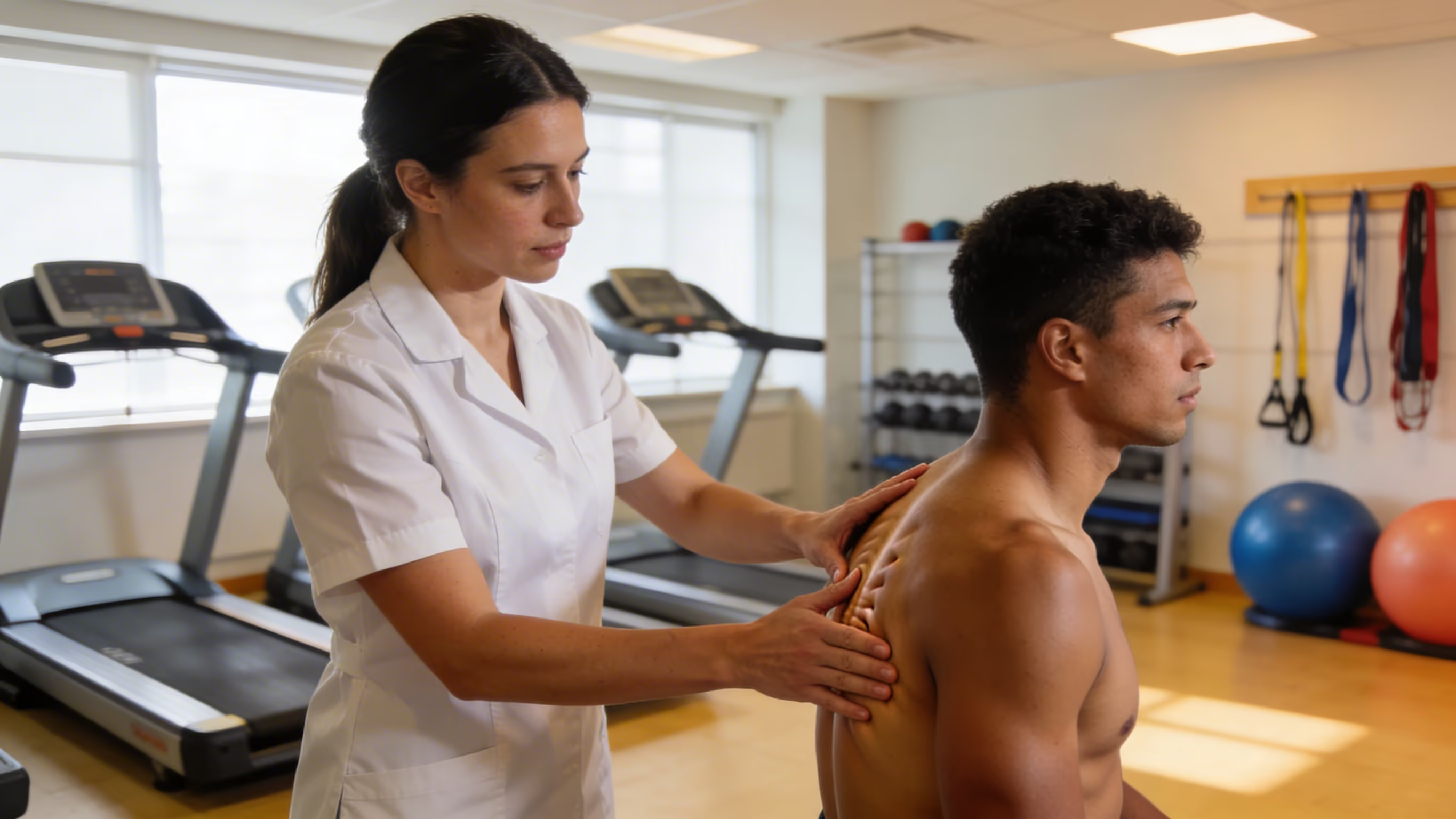
Rehabilitacja pourazowa w sporcie tradycyjnie oddzielała oddychanie od biomechaniki — fizjoterapeuci leczyli struktury, a oddech pozostawał poza kontrolą. Aktualne dowody naukowe odwracają to podejście. Mechanika oddechowa bezpośrednio wpływa na oksygenację tkanek, klirens cytokin zapalnych, syntezę kolagenu zależną od kortyzolu oraz stan autonomiczny podczas rehabilitacji — a każdy z tych czynników jest kluczowym wyznacznikiem szybkości powrotu do zdrowia. Ten przewodnik przedstawia zintegrowaną metodologię łączącą naukę oddechową Buteyko/Oxygen Advantage z praktyką rehabilitacji biomechanicznej.
Fizjologiczne uzasadnienie zintegrowanej rehabilitacji oddechowej
Tlenek azotu (NO) a naprawa tkanek
Oddychanie nosowe (nasal breathing) nieprzerwanie dostarcza tlenek azotu (NO) z zatok przynosowych do dróg oddechowych. NO jest silnym wazodylatatorem, który zwiększa przepływ kapilarny do struktur słabo unaczynionych — dokładnie tych tkanek (ścięgna, więzadła, chrząstki), które najczęściej ulegają urazom w sporcie i najtrudniej się regenerują z powodu ubogiego ukrwienia.
Sportowiec przechodzący z oddychania ustnego na nosowe podczas ćwiczeń rehabilitacyjnych zwiększa lokalną dostawę NO, poprawiając:
- Dostarczanie składników odżywczych do gojącej się tkanki
- Usuwanie odpadów metabolicznych z miejsca urazu
- Agregację płytek krwi w miejscach naprawy (wspomagając kontrolowaną aktywność fibroblastów)
Nadmiar tlenu dostarczany przez wymuszone oddychanie (hiperoksja) paradoksalnie uszkadza gojącą się tkankę, generując wolne rodniki (ROS), które atakują cząsteczki kolagenu. Optymalny poziom CO₂ dzięki kontrolowanemu oddychaniu hamuje produkcję ROS, utrzymując jednocześnie odpowiednią oksygenację — równowagę, której hiperwentylacja nie jest w stanie zapewnić.
Wynik BOLT jako biomarker odporności tkankowej
Wynik BOLT (Body Oxygen Level Test) — poza rolą markera tolerancji CO₂ (CO₂ tolerance) — funkcjonuje jako wiarygodny wskaźnik systemowej zdolności naprawczej tkanek sportowca:
| Zakres BOLT | Profil odporności tkankowej |
|---|---|
| < 10 sekund | Poważnie upośledzony. Przewlekła alkaloza redukuje efektywność wiązań krzyżowych kolagenu. Wysokie ryzyko ponownego urazu. |
| 10–20 sekund | Upośledzony. Klirens zapalny opóźniony. Wydłużony czas regeneracji tkanek miękkich. |
| 20–30 sekund | Wystarczający. Standardowe ramy czasowe rehabilitacji. |
| > 40 sekund | Optymalny. Przyspieszona naprawa tkanek. Znacząco obniżony wskaźnik nawrotów urazów. |
Przejściowa detoksykacja podczas poprawy BOLT
Klinicznie sportowcy, którzy poprawiają BOLT z poniżej 20 do powyżej 30 sekund w ciągu 4–8 tygodni, doświadczają tymczasowych odpowiedzi adaptacyjnych, które praktycy powinni przewidywać:
- Zwiększona produkcja śluzu (regeneracja błony śluzowej nosa po przewlekłym wysuszeniu)
- Łagodne bóle głowy (rozszerzenie naczyń mózgowych w miarę normalizacji CO₂)
- Zmienność nastroju (rebalansowanie autonomicznego układu nerwowego)
- Zmiany apetytu (tłumienie współczulne zmieniające sygnały głodu)
Te reakcje są pozytywnymi wskaźnikami systemowej rekalibracji. Ustępują w ciągu 5–14 dni i nie wymagają interwencji klinicznej poza nawodnieniem i uspokojeniem pacjenta.
Przepona jako dwufunkcyjne narzędzie rehabilitacyjne
Ciśnienie wewnątrzbrzuszne (IAP) a ochrona odcinka lędźwiowego
Najbardziej niedocenionym narzędziem w rehabilitacji lędźwiowej jest prawidłowe oddychanie przeponowe (diaphragmatic breathing). Gdy przepona kurczy się podczas wdechu, obniża się i wytwarza ciśnienie w jamie brzusznej — tworząc ciśnienie wewnątrzbrzuszne (IAP), które funkcjonuje jako naturalny gorset dla kręgosłupa lędźwiowego. Ten mechanizm, określany jako „naturalny gorset”, stabilizuje segment L4-S5 podczas obciążenia.
Bez aktywacji przepony wszystkie protokoły obciążeniowe kręgosłupa — martwy ciąg, przysiady, ćwiczenia core — są wykonywane bez odpowiedniego IAP, narażając krążki międzykręgowe na siły ścinające, których nie mogą bezpiecznie tolerować.
Integracja sygnałów oddechowych w rehabilitacji lędźwiowej:
| Ćwiczenie | Protokół oddechowy |
|---|---|
| Bird-dog | Wdech nosem → aktywacja → 2–3s zatrzymanie → wydech przy powrocie |
| Dead bug | Wdech na górze → pełny wydech podczas wyprostu ramion/nóg (maksymalne IAP) |
| Mostek pośladkowy | Wydech przy obciążeniu → wdech przy opuszczaniu (przepona stabilizuje staw krzyżowo-biodrowy) |
| Cat-cow | Wdech przy wyproście (cow) → wydech przy zgięciu (cat) — mobilizuje powięź piersiowo-lędźwiową |
Przepona jako pompa limfatyczna
Przepona generuje główny gradient ciśnień napędzający płyn limfatyczny przez przewód piersiowy — główne naczynie limfatyczne organizmu. Każdy oddech przeponowy wytwarza siłę ssącą, która przyciąga płyn limfatyczny z kończyn dolnych w kierunku klatki piersiowej.
U sportowca ze skręceniem stawu skokowego lub zapaleniem kolana wzmocnione oddychanie przeponowe przyspiesza usuwanie mediatorów zapalnych (prostaglandyny, interleukiny, substancja P) z torebki stawowej. Ten mechanicznie napędzany drenaż redukuje obrzęk szybciej niż sam odpoczynek i bez ogólnoustrojowych skutków ubocznych NLPZ.
Ćwiczenie oddechowe stymulujące drenaż limfatyczny:
- Leż na plecach, kolana zgięte
- Umieść jedną rękę na klatce piersiowej, drugą na brzuchu
- Oddychaj wyłącznie do brzucha — ręka na klatce piersiowej powinna pozostać nieruchoma
- 5-sekundowy wdech, 7-sekundowy wydech, 3-sekundowe zatrzymanie na pustych płucach
- 10 minut, 2× dziennie w fazie ostrego urazu
Protokoły rehabilitacyjne według typu urazu
Tendinopatia ścięgna Achillesa
Faza 1: Obciążenie izometryczne (0–4 tygodnie)
- Wyprost łydki w siadzie przy 70–80% MVC (maksymalnego skurczu dowolnego)
- Trzymanie 10 sekund z oddychaniem nosowym przez cały czas — bez zatrzymywania oddechu, bez napinania
- 4 serie × 5 powtórzeń, dwa razy dziennie
- Cel: redukcja bólu, mechaniczna stymulacja ścięgna bez przeciążenia metabolicznego
Faza 2: Wolne ciężkie obciążenie (4–12 tygodni)
- Ekscentryczne opuszczanie pięt na stopniu: 3-sekundowa faza obniżania, 3-sekundowa faza podnoszenia
- 3 serie × 12–15 powtórzeń co drugi dzień
- Oddychanie nosowe obowiązkowe: kontrolowany profil CO₂ podczas oddychania nosowego poprawia organizację kolagenu ścięgna w porównaniu z manewrem Valsalvy lub wzorcami z zatrzymywaniem oddechu
Kluczowa zasada: Ścięgno Achillesa ma minimalne bezpośrednie ukrwienie. Wazodylatacja za pośrednictwem NO z oddychania nosowego jest jednym z niewielu mechanizmów, który znacząco zwiększa perfuzję do paratenonu, przyspieszając aktywność fibroblastów odbudowujących strukturę ścięgna.
Rehabilitacja kręgosłupa lędźwiowego
Faza mobilizacji:
- Cat-cow z synchronizacją oddychania nosowego (jak opisano powyżej)
- Rozciąganie bioder 90-90 z 4-sekundowymi trzymaniami, oddychanie nosowe przez cały czas
Faza aktywacji:
- Bird-dog (trzymanie 2-3s) → Dead bug (pełny wydech podczas wyprostu)
- Mostek pośladkowy na jednej nodze: wdech nosowy na dole, wydech na górze
- Ósemki biodrami (Hip figure-8) dla mobilności lędźwiowo-miednicznej
Faza stabilizacji:
- Wprowadzenie krótkich zatrzymań oddechu 2–5 sekund podczas bird-dog i dead bug w pozycji szczytowego obciążenia
- Tworzy to krótki bodziec hiperkapniczny, który trenuje przeponę do utrzymywania IAP pod rzeczywistym obciążeniem nerwowo-mięśniowym — w warunkach, jakie musi utrzymywać podczas eksplozywnych ruchów sportowych
Próg BOLT: Nie wprowadzaj ćwiczeń z zatrzymywaniem oddechu w rehabilitacji, dopóki poranny BOLT nie przekroczy 20 sekund. Poniżej tego progu zatrzymania oddechu są stresujące, a nie adaptacyjne.
4-tygodniowy zintegrowany program oddechowo-rehabilitacyjny
Tygodnie 1–2: Fundament
Noc: Nałóż taśmę chirurgiczną 3M Micropore poziomo na usta przed snem. Ta pojedyncza interwencja:
- Eliminuje nocne oddychanie ustne (główny czynnik obniżonego porannego BOLT)
- Redukuje chrapanie i epizody bezdechu sennego
- Przywraca zdrowie błony śluzowej nosa w ciągu 7–10 dni
Dzień: Utrzymuj język na podniebieniu (nie dociskając — pozycja spoczynkowa). To naturalnie zamyka usta i promuje oddychanie nosowe w ciągu dnia.
Poranny BOLT: Mierz i zapisuj codziennie rano po przebudzeniu.
Ćwiczenia rehabilitacyjne: Stosuj powyższe protokoły ze wskazówkami dotyczącymi oddychania nosowego. Bez zatrzymań oddechu, dopóki BOLT nie przekroczy 20 sekund.
Tygodnie 3–4: Obciążenie CO₂
Dodaj zatrzymania oddechu podczas chodzenia:
- Po normalnym wydechu → zaciśnij nos → przejdź 10–15 kroków z lekkim głodem powietrznym → wznów oddychanie nosowe
- 10 powtórzeń, dwa razy dziennie
Dodaj poranną refleksję BOLT: Jeśli BOLT spadnie o 5+ sekund poniżej wartości bazowej, zmniejsz obciążenie treningowe tego dnia (wczesny marker regeneracji).
Ćwiczenia rehabilitacyjne: Wprowadź 2–5-sekundowe zatrzymania oddechu w pozycjach szczytowego obciążenia. Stopniowo zwiększaj złożoność ćwiczeń.
Oczekiwana zmiana BOLT: +5–10 sekund powyżej wartości bazowej do końca 4. tygodnia.
Przeciwwskazania
Następujące stany wymagają konsultacji lekarskiej przed wdrożeniem protokołów hiperkapnicznych (z zatrzymywaniem oddechu) wykraczających poza pomiar CP w spoczynku:
- Nadciśnienie tętnicze (skurczowe > 150 mmHg)
- Choroba sercowo-naczyniowa lub arytmia
- Cukrzyca typu 1
- Ciąża
- Aktywna padaczka
- Wynik BOLT < 20 sekund (rozpocznij wyłącznie od oddychania nosowego)
Standardowe ćwiczenia oddychania nosowego i oddychania przeponowego nie mają przeciwwskazań u zdrowych osób.
FAQ
Czy trening oddechowy można rozpocząć od pierwszego dnia rehabilitacji pourazowej? Tak — oddychanie nosowe i ćwiczenia oddychania przeponowego są odpowiednie od pierwszego dnia, nawet podczas ostrego stanu zapalnego. Nie obciążają uszkodzonej tkanki i aktywnie wspierają gojenie poprzez dostarczanie NO i drenaż limfatyczny. Protokoły z zatrzymywaniem oddechu powinny poczekać, aż ból będzie opanowany, a BOLT przekroczy 20 sekund.
Jak trening oddechowy współdziała z fizjoterapią manualną? Synergistycznie. Terapia manualna (mobilizacja stawów, praca z tkankami miękkimi) uwalnia restrykcje powięziowe, które często ograniczają wychylenie przepony. Trening oddechowy wzmacnia następnie zmiany strukturalne uzyskane dzięki pracy manualnej. Połączenie obu metod daje trwalsze efekty niż każda interwencja osobno.
Czy protokoły oddechowe powinny być nadzorowane przez fizjoterapeutę? Najlepiej tak — szczególnie u sportowców z BOLT poniżej 20 sekund lub aktywnymi schorzeniami sercowo-naczyniowymi. AirFlow Performance oferuje wspólne sesje konsultacyjne łączące ocenę oddechową (BOLT, analiza wzorca oddechowego) z przesiewem ruchowym dla sportowców w rehabilitacji.
Skontaktuj się z AirFlow Performance →, aby omówić integrację protokołów oddechowych z Twoim aktualnym programem rehabilitacyjnym.