


Case Study – Lech Poznań
Challenge
Despite their excellent physical preparation, Lech Poznań players struggled with problems typical of modern football:
- rapid fatigue in the second half of the match,
- difficulties in maintaining concentration at key moments,
- more frequent shortness of breath during high-intensity play,
- insufficient recovery between matches.
Research showed that most players breathed inefficiently – too quickly and through their mouths, which led to reduced CO₂ tolerance and poorer tissue oxygenation. As a result, their muscles tired more quickly and their nervous system remained in stress mode, making it difficult to make calm decisions on the pitch.
The aim of our programme
- optimising breathing,
- increasing aerobic capacity,
- and restoring control over stress and recovery – so that players can play longer, faster and more effectively.
Our approach
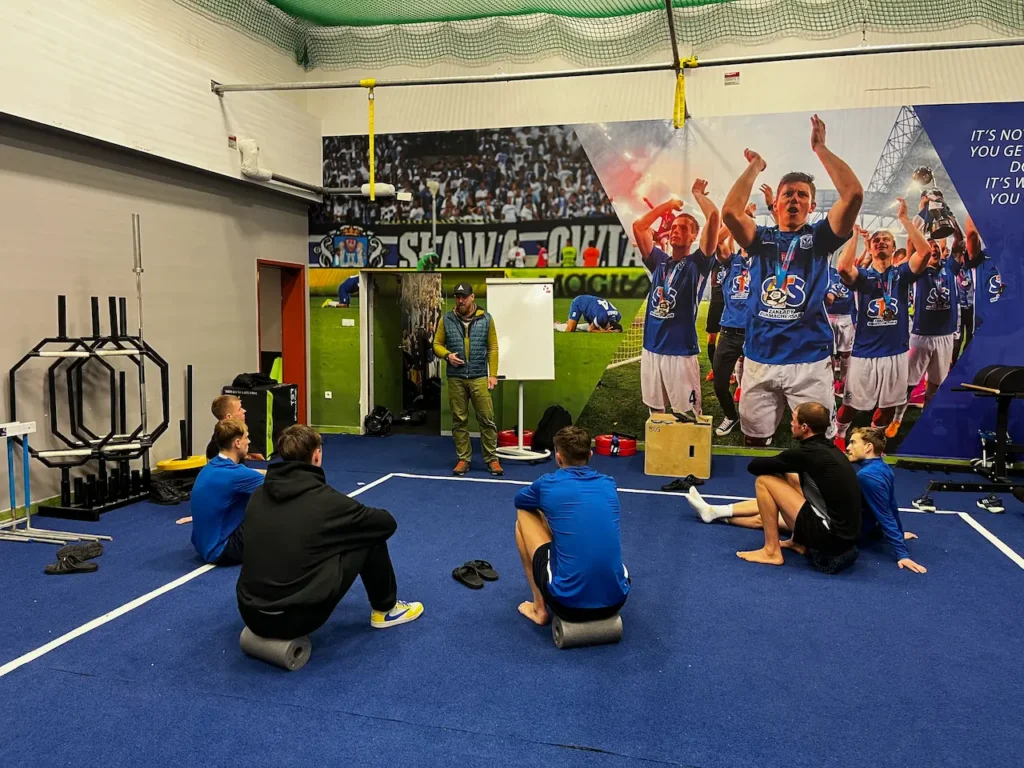
The implementation of the AirFlow Performance programme at Lech Poznań was based on three clearly defined phases of work:
1. Isolation
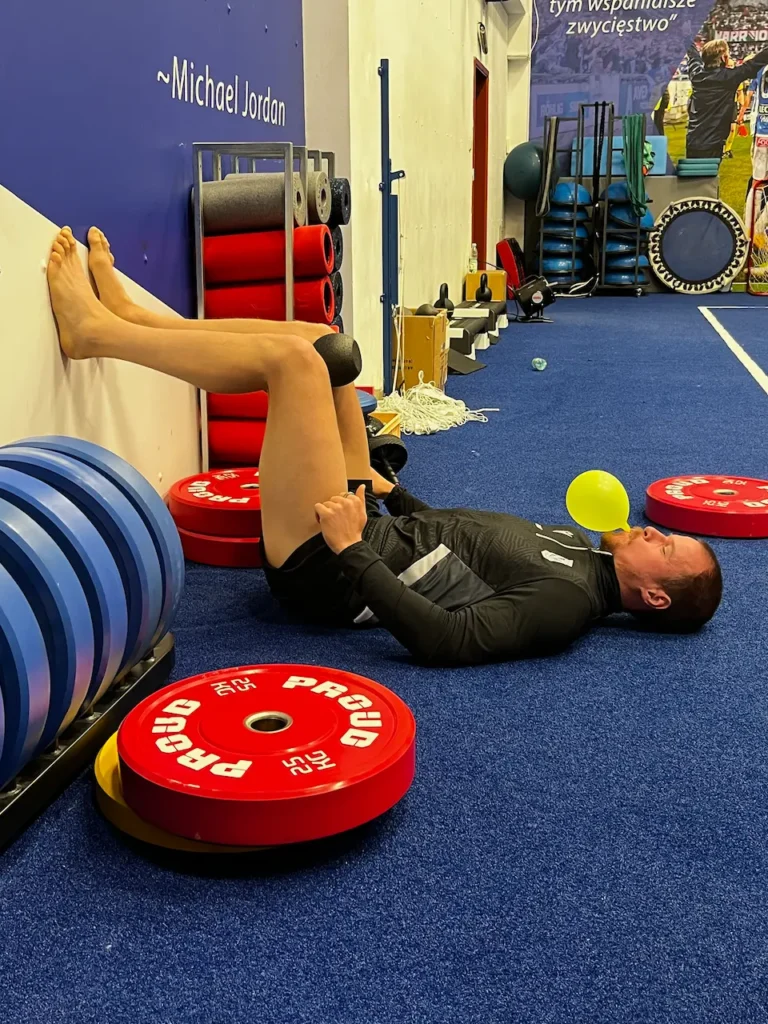
At the beginning, we focused on isolating and strengthening the movement of the diaphragm. The players learned the correct breathing pattern, which allowed them to consciously activate the most important respiratory muscle and improve its flexibility.
2. Integration
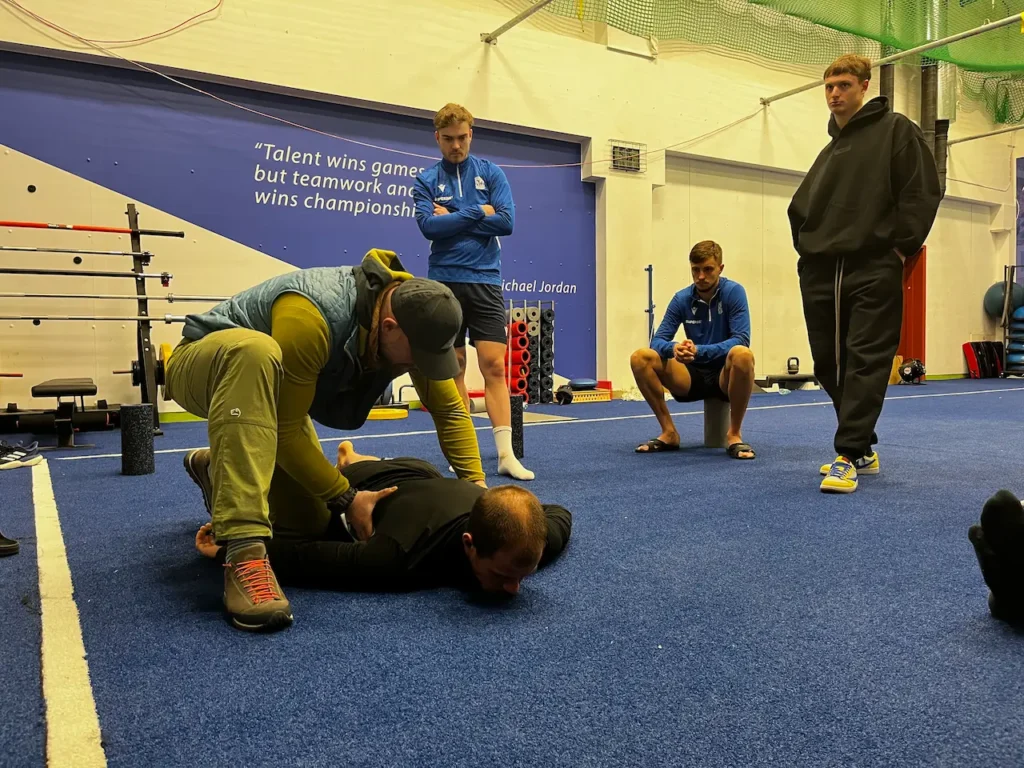
The next step was to transfer the developed pattern to physical exertion. We taught the players how to maintain breath control while running, sprinting or doing strength exercises, so that their breathing would support rather than limit the intensity of their work.
3. Improvisation
The final stage was to apply the new skills during training sessions and matches. The players practised breathing techniques in match situations: during sprints, short recovery periods or under pressure. As a result, breathing became a tool to support performance and concentration in real game conditions.
As part of the programme, we also used our proprietary trainers – for diaphragmatic work and nasal training – as well as BOLT tests, which allowed us to measure CO₂ tolerance and monitor progress.
Data and Analyses
The effects of the AirFlow Performance programme at Lech Poznań have been confirmed by respiratory tests, GPS data and load monitoring (Whoop).
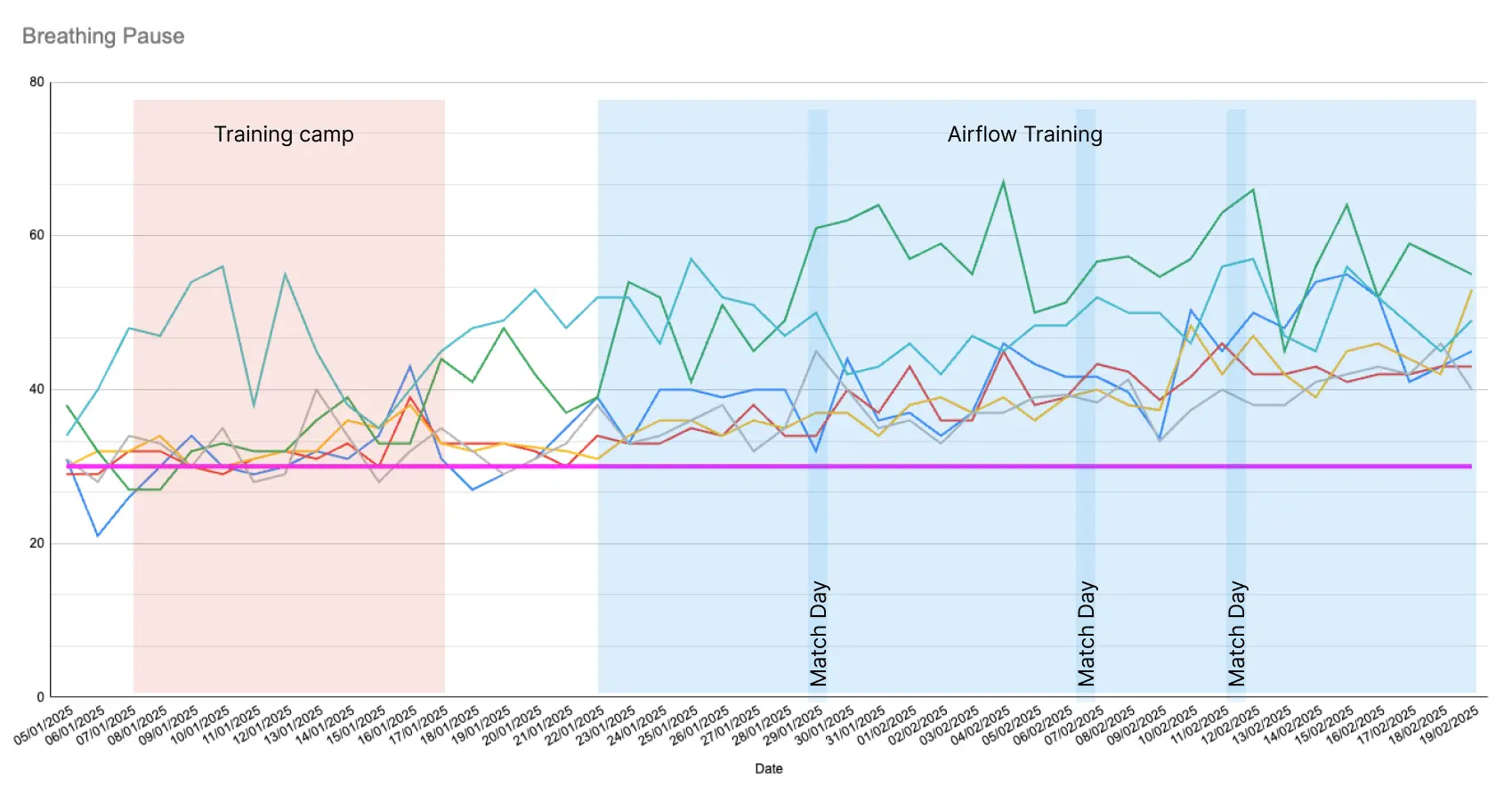
1. BOLT Score – CO₂ tolerance
At the beginning, most players achieved results below 30 seconds, which meant that their respiratory capacity was too low. After 7 weeks of training, the average BOLT score increased to over 40 seconds – the optimal level for professional footballers.
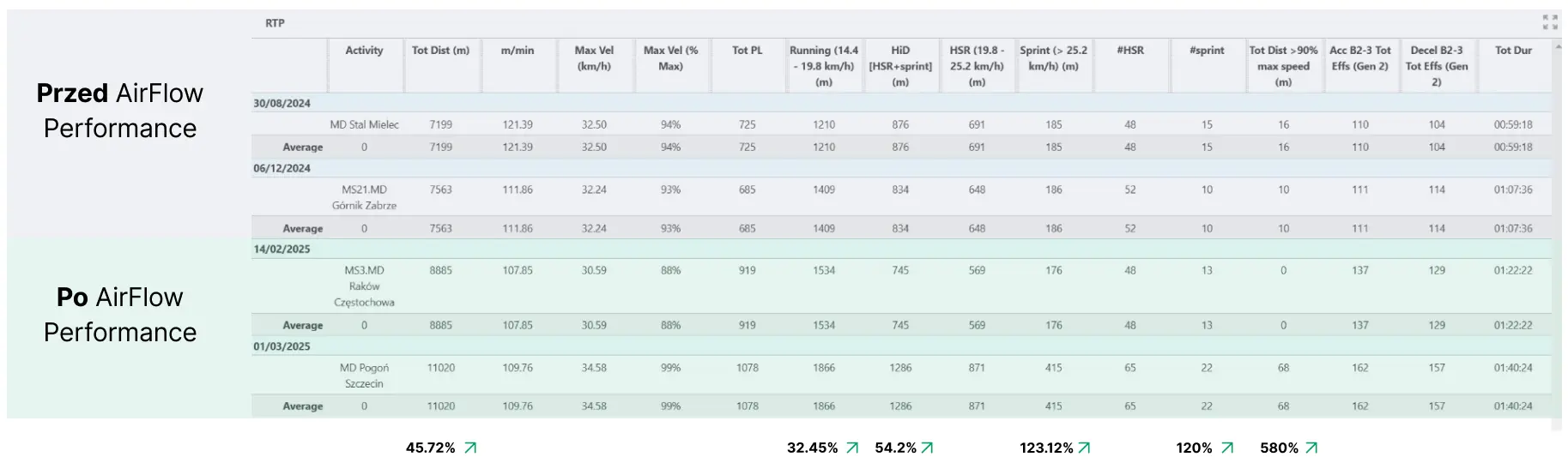
2. GPS data – greater game intensity
Match analysis showed a significant increase in the quality of action:
- total distance ↑35%
- sprints ↑40%
- distance at >90% Vmax ↑162%
3. Heart rate zones (Whoop)
The players spent as much as 90% less time in zone 5 (≥175 BPM), and the effort shifted to zone 3. This means more economical breathing, slower fatigue build-up and better precision in the final stages of matches.
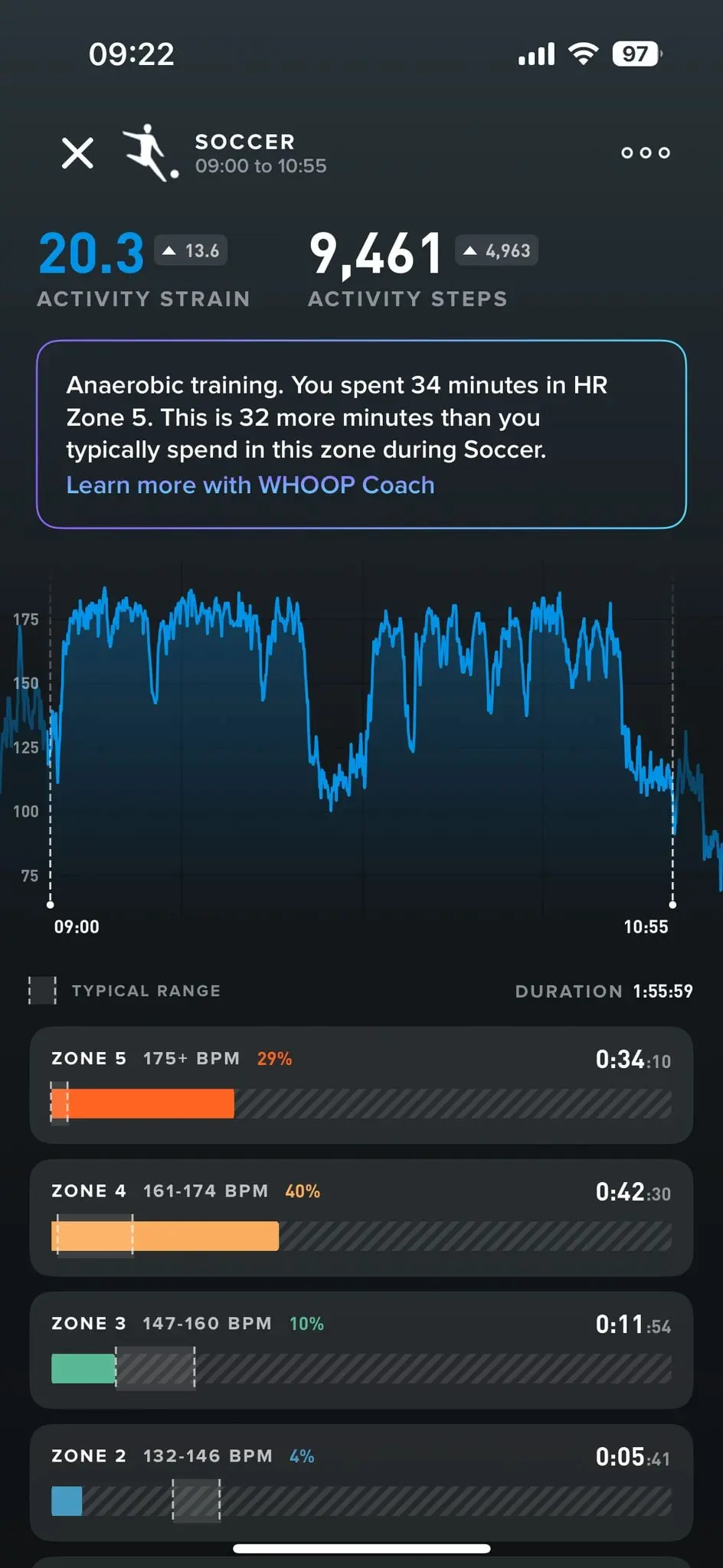
November 2024
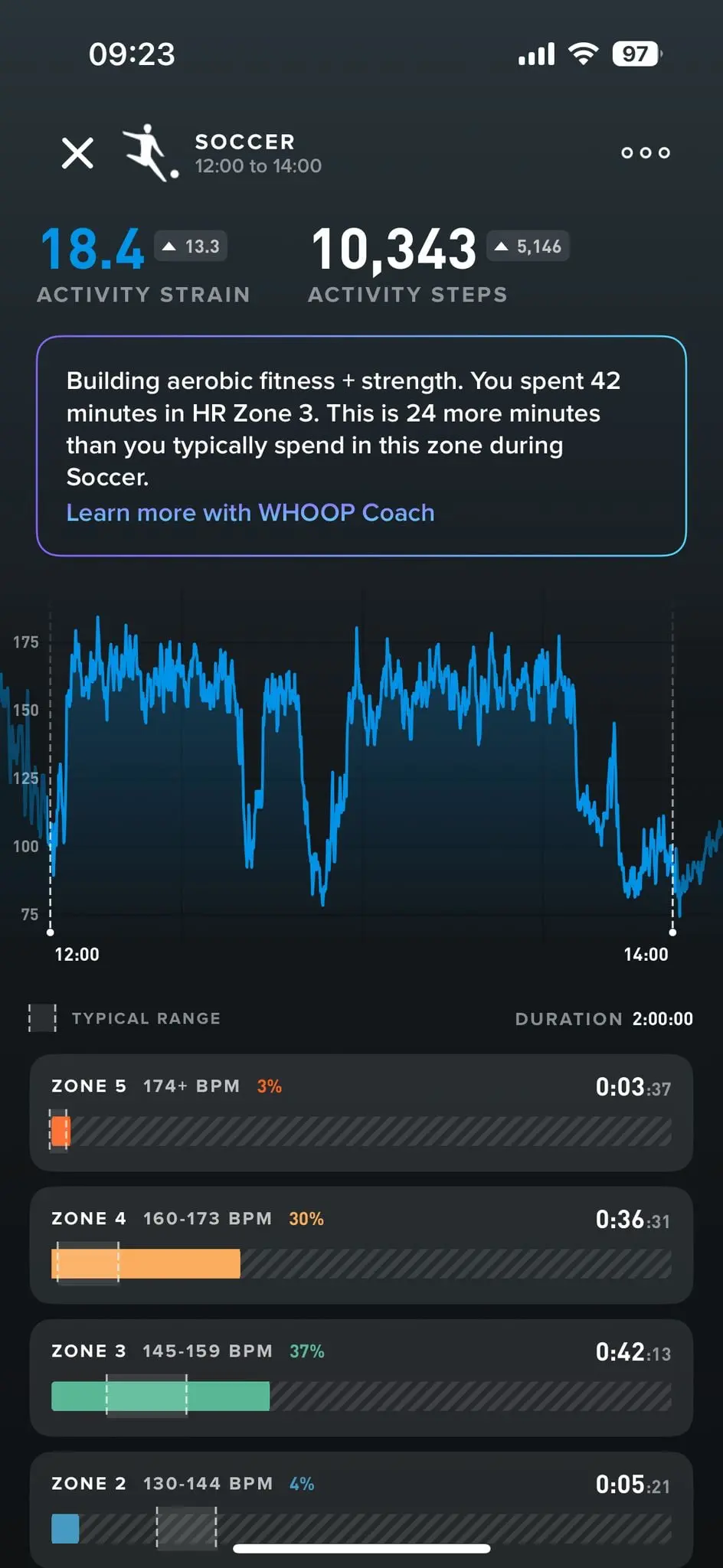
February 2025
4. Players’ subjective feelings
Footballers reported, among other things, easier breathing through the nose, more restful sleep, faster recovery and greater comfort during play.
As for specific, measurable results, I can now hold my breath longer when exhaling, and I can control my breathlessness more quickly and easily, especially during interval training or more demanding sessions. I return to calm breathing much faster, which means I get less tired..
Daniel H.
Lech Poznań
I stopped resting my hands on my knees when I was exhausted. I calmed my breathing, trying to breathe through my nose as long as possible, rather than through my mouth.
Antoni K.
Lech Poznań
The sessions have significantly improved the quality of my sleep. I have noticed that when I use the techniques before bedtime, I experience more restful sleep.
Kornel L.
Lech Poznań
Breathing as your team’s advantage
Discover how breathing training can improve athletes’ performance, recovery and concentration..